

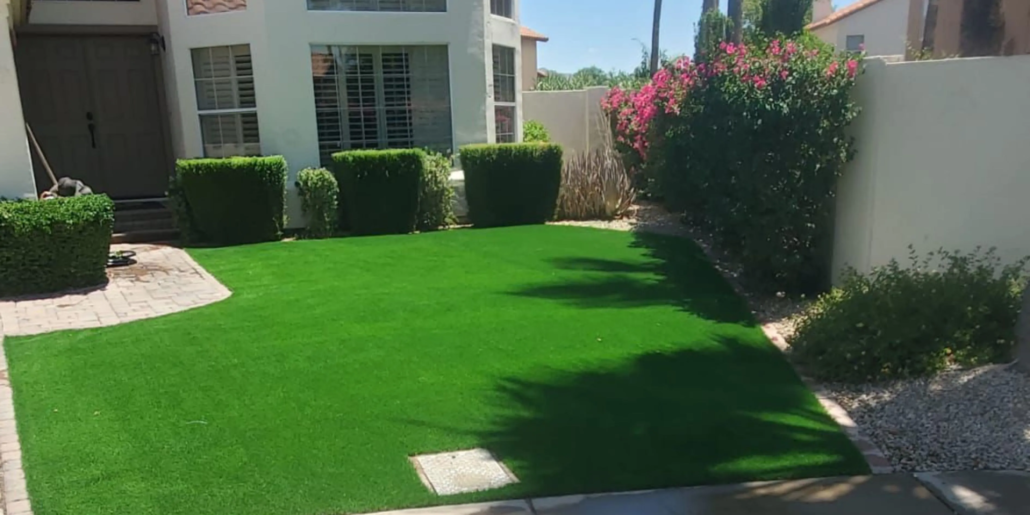
Pet Turf Cleaning in Phoenix: The Hidden Health Risks Lurking in Your Artificial Grass
Artificial grass feels like the perfect Phoenix upgrade until pets enter the picture. Your yard still looks clean, but pet waste does not break down the way it does in natural soil. In our heat, dried urine can reactivate, bacteria can multiply faster, and odors can become stubborn. That is why pet turf cleaning in Phoenix is not just about curb appeal. It supports a healthier outdoor space for kids, guests, and pets.
If you have rinsed the turf and the smell returns, the issue is usually below the blades in the infill and backing. In this blog, we will discuss the hidden risks that can build up inside artificial grass, the key warning signs to look out for and a must-follow routine to keep your artificial grass safer and fresher.
Pet Turf Cleaning in Phoenix- Why Local Conditions Raise The Stakes?
Phoenix weather changes how turf behaves, especially in pet zones.
- Heat increases the growth rate of bacteria and amplifies urine ammonia.
- The dust and the fine debris are deposited into fibers and infill forming a layer of grime.
- The moisture of the surface can be trapped due to the humidity following monsoons.
- Quick hose rinses can push contaminants deeper instead of removing them.
Hidden Health Risks in Pet Turf Zones
Artificial turf is a high-contact surface. When pet residue remains in the system, it can affect comfort and hygiene.
Germs & Parasites Can Linger
Even with good pickup habits, tiny residue can remain.
- Fecal particles may carry bacteria such as E. coli, Salmonella, and Campylobacter.
- Parasites like Giardia and certain worms can spread through contaminated debris.
- Turf does not have living soil biology to help break waste down naturally.
Ammonia Irritation from Repeated Urine Spots
Urine that soaks into infill can leave salts behind.
- Odor often signals urine salt buildup, not just surface mess.
- Ammonia can irritate noses, eyes, and throats.
- Kids and allergy-sensitive adults may react sooner due to closer contact.
Moisture Pockets That Create Musty Conditions
Turf does not mold, but trapped organic matter plus moisture can.
- Compacted infill slows drainage.
- Hair, leaves, and dirt hold dampness longer.
- Shaded corners become repeat problem areas.
Pests Follow Organic Residue
When residue stays in place, insects often show up.
- Flies are attracted to waste traces and damp spots.
- Ants may nest where debris collects.
Turf Odor Removal in Phoenix- Treat Odor Like A Health Signal
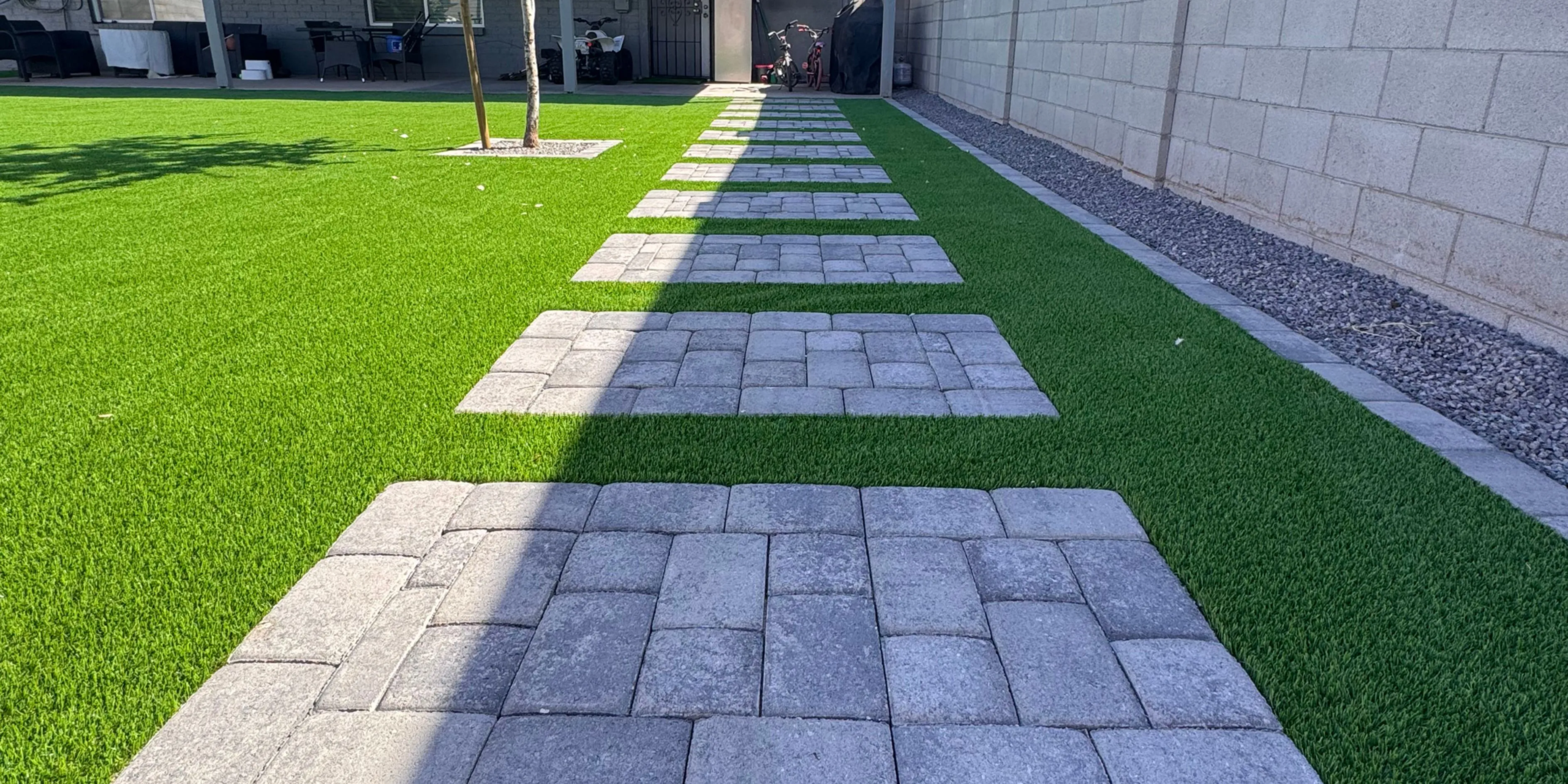
Odor is not just annoying. It is a warning that urine salts, bacteria, and organic matter are building up inside the turf system.
- Evaporation leaves salts behind, then moisture reactivates them.
- Deodorizers can mask smells while leaving the source untouched.
- Better results come from breakdown plus removal, not fragrance alone.
Did you know-
“Artificial turf surfaces might get hot (up to 140 degrees) on hot summer days, depending on exposure to the sun and materials, making the smells of ammonia to appear suddenly more intense.”
Weekly & Monthly Checklist
- Remove solid waste daily, then rinse the spot lightly.
- Rinse urine hotspots 2 to 3 times per week with enough water to flush through, not just wet the top.
- Brush against the grain weekly to lift fibers and prevent matting.
- Apply a turf-safe enzyme cleaner monthly to break down urine compounds.
- Clear edges and seams weekly, remove hair, leaves, and trapped debris.
- Check drainage monthly, watch how quickly rinse water disappears in problem zones.
When DIY Stops Working- Signs You Need a Deeper Clean
- At-home routines help, but some issues require deeper extraction.
- Odor returns within 24 to 72 hours after cleaning.
- Turf feels sticky or looks darker in repeat spots.
- More flies appear around the turf area.
- Water drains slowly or you notice damp patches that persist.
- Pets keep re-marking the same location.
This is where a deeper service matters. A credible provider typically uses:
- Power brushing and infill agitation to loosen trapped residue.
- Targeted treatment for urine salts and organic matter.
- Thorough rinsing with extraction so contaminants are removed, not spread.
If you are comparing vendors, look for specialists in artificial grass cleaning in Arizona who explain products, safety, and drainage checks clearly.
Notes for Shared Play Areas & Community Spaces
Higher traffic means faster buildup, especially in HOAs and shared yards.
- Multiple pets create concentrated urine zones quickly.
- Kids have more skin contact with turf in play areas.
- Missed cleanup accumulates faster in community settings.
Should you need new recreation zones, playground turf installers in Arizona will assist you with drainage-friendly designs and access that will prove convenient when it comes to maintenance.
Key Takeaways
- Odor clue — Smell often signals urine salts and bacteria below the surface.
- Heat factor — Phoenix temperatures intensify ammonia and microbial activity.
- Drainage check — Slow drainage allows moisture and residue to linger.
- Routine basics — Daily pickup plus brushing and monthly enzymes reduce risk.
- Pro help — Fast returning odor suggests infill or base buildup.
Conclusion
Artificial grass may suit Phoenix well but areas with pets require more than simply spraying them. The actual dangers of things that cannot be seen with the naked eye – bacteria, parasites, urine salts, litter lodged up, and dampness under the blades. That is why pet turf cleaning in Phoenix becomes an important health and comfort step, not an optional upgrade.
If you want a deeper reset using pet-safe methods, Synthetic Grass Masters can help with Professional turf cleaning in Phoenix, AZ, so your turf stays fresh, functional, and family-friendly.
FAQs
How often should I deep clean pet turf?
Most pet homes benefit from monthly enzyme cleaning, with more frequent attention during heavy use or summer heat.
Why does the smell come back after I hose the turf?
Hosing can push urine residue into the infill where salts remain and reactivate with moisture.
Can artificial turf hold bacteria from pet waste?
Yes, residue can remain in the infill and backing unless it is broken down and removed.
What is the safest way to reduce pet odor long-term?
Regular waste pickup, brushing, enzyme treatment, and making sure drainage stays clear.
When should I call a professional instead of doing DIY?
If odors return within a couple of days, drainage slows, or hotspots keep expanding, deeper extraction is usually needed.


 602-384-7746
