
Can Installing Synthetic Grass in Phoenix Help Reduce Your Monthly Household Expenses?
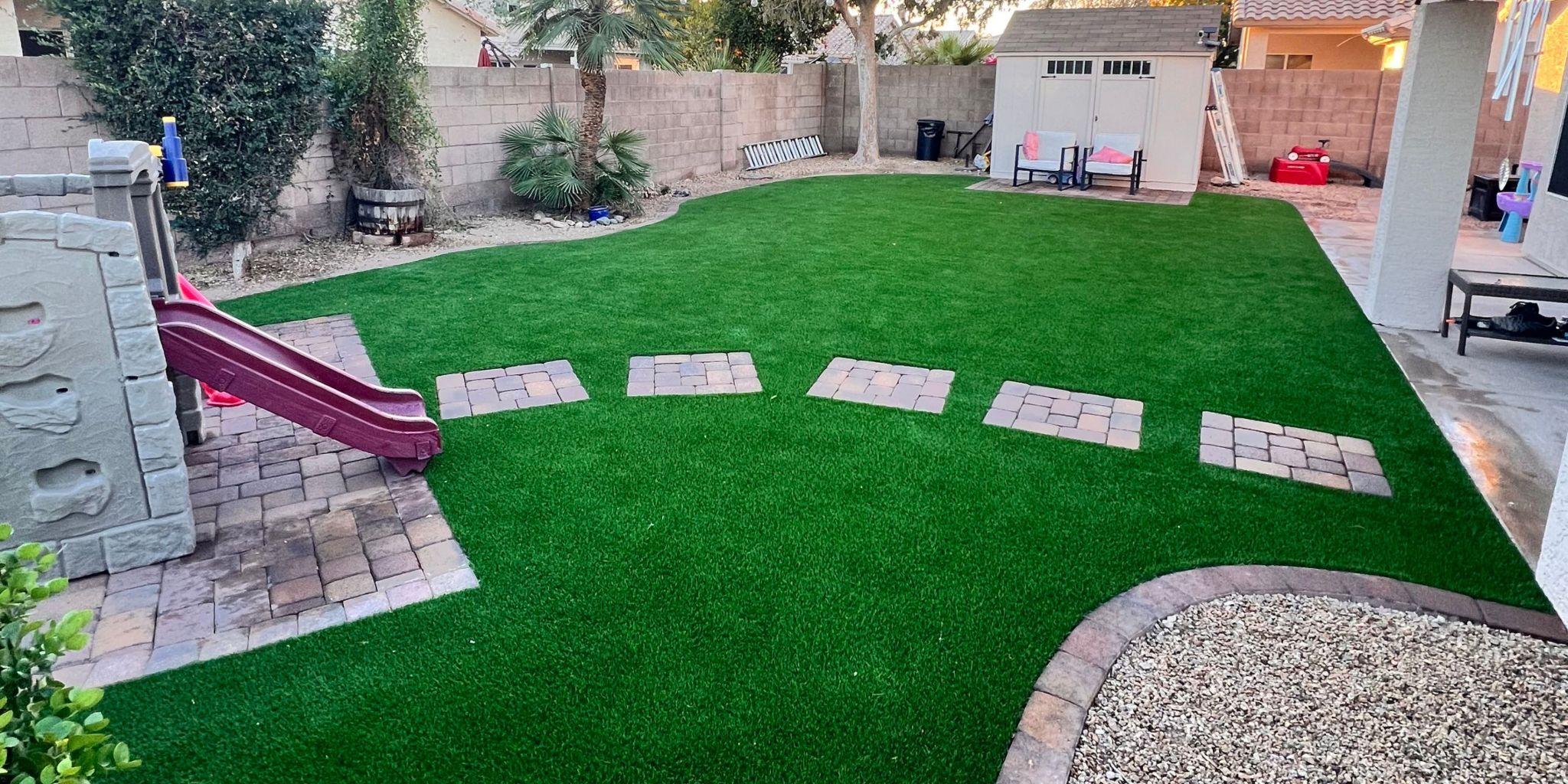
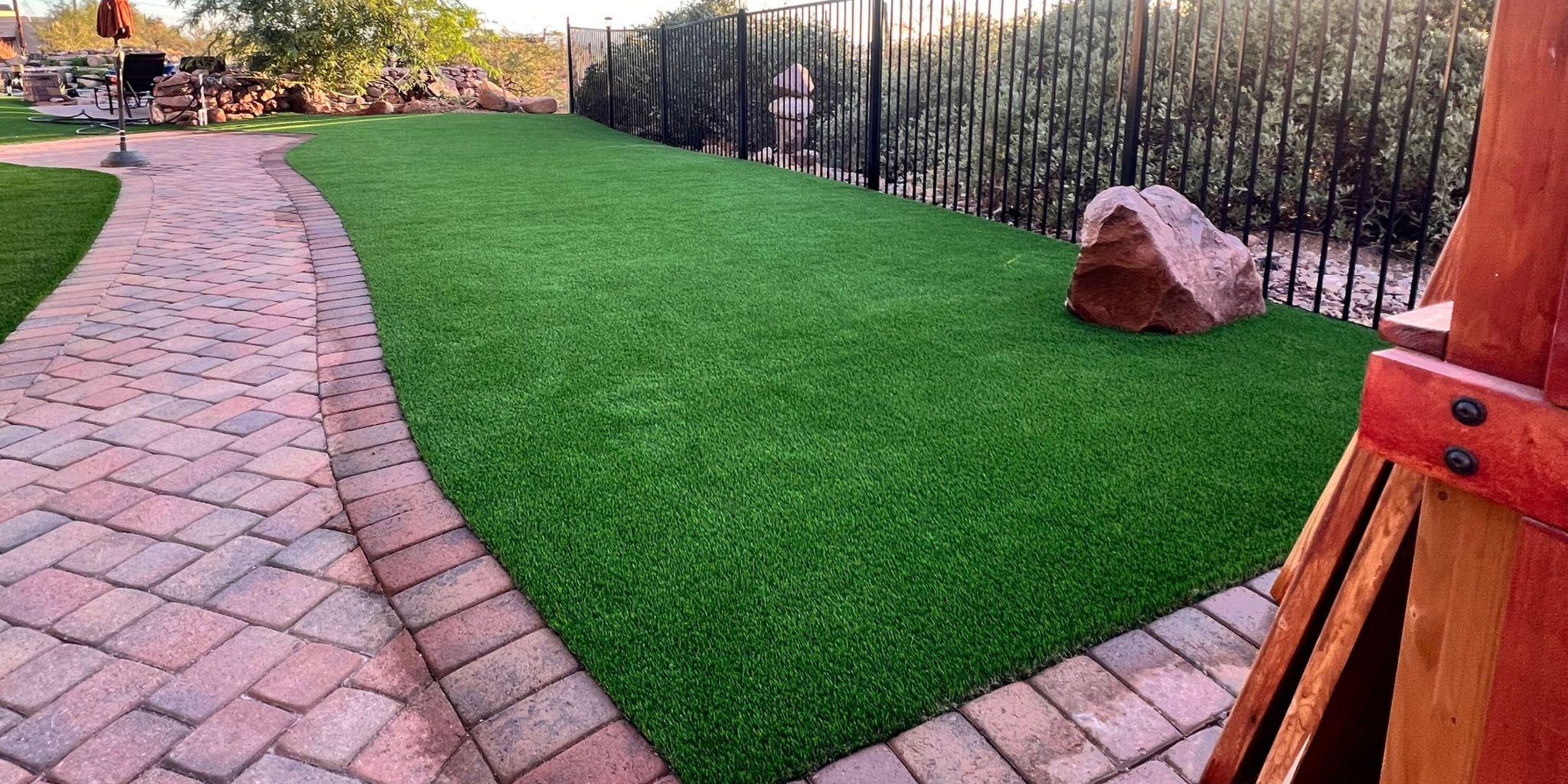
Keeping a live lawn green in Phoenix costs a hell of a lot more than most people realize when they first move into the Valley. The combination of triple-digit heat, dry desert air and ever-rising water rates turns a fairly normal lawn into a regular monthly bill. Going to synthetic grass in Phoenix gets rid of those ongoing irrigation and lawn maintenance costs, replacing the unpredictable utility bills with a tough, low-maintenance surface.
Still, the initial installation prices are enough to have a lot of families pausing before they even book a crew. The only way to properly assess the real financial value is to look beyond day one and work out the total amount of household savings over a five-, ten-, and fifteen-year period. This guide covers the monthly water savings, the amount of lawn maintenance you’ll be able to eliminate, the local rebate rules, the quality of the product and a step-by-step checklist to work out your actual home savings.
Key Takeaways
- Outdoor watering accounts for up to 70% of residential water use in Arizona, and that’s what drives the utility bills through the roof in the summer.
- Replacing the natural grass saves the average Phoenix household between $1,200 and $2,400 a year on water and between $600 and $1,800 on lawn care.
- Planned 2027 Stage 2 drought surcharges mean that the financial upside of getting rid of heavy outdoor irrigation early is increased.
- Pre-approved City of Phoenix grass removal rebates will help to reduce the initial outlay on the project for qualifying homeowners.
- UV-stabilized, correctly installed artificial turf will deliver 15 to 20 years of reliable monthly savings and clean curb appeal.
How Synthetic Grass in Phoenix Lowers Monthly Water Bills
Outdoor irrigation takes the largest slice of discretionary utility spending in Maricopa County. As much as 70% of residential water use in Arizona is for outdoor purposes (primarily to keep the grass alive). The City of Phoenix billing tiers also have the biggest impact on heavy summer water users from June through September.
Did you know?
A standard 1,000 sq ft of natural lawn in Phoenix uses some 55,000 gallons of water per year, whereas the artificial turf requires absolutely no irrigation at all to stay green through the most extreme summer heat.
- Steeper summer water rates – Phoenix volume charges rise from $4.93 per 748-gallon unit in cooler months to $6.13 per unit during summer, plus a $0.62 environmental fee on every unit consumed.
- Planned drought surcharges – With Phoenix expecting Stage 2 drought status in January 2027, households using more than 20 units (14,960 gallons) per month face a planned $2.10 surcharge per extra unit.
- Zero weekly watering – Live bermudagrass needs watering three times a week to survive 115-degree afternoons. Artificial turf needs zero watering.
- Measurable yearly savings – Most Valley homeowners trim 50 to 70 percent off their water bills after removing sod, saving roughly $1,200 to $2,400 per year.
- No water-waste citations – Municipal runoff fines start at $250 for a first offense and reach $1,000 for repeat violations. Plugging past July and August statements into a desert lawn water savings calculator quickly shows how much cash evaporates into dry soil each summer.
Dropping Yard Upkeep Costs with Synthetic Turf in Phoenix, AZ
Water bills only account for half of what a desert lawn is going to take out of a household budget. Maintaining a nice lawn of live grass in the hard Valley soil is a full-time job in itself, requiring paid labor, seasonal chemicals and constant sprinkler maintenance. Once you get rid of the live sod, those ongoing monthly expenses go away completely.
- No monthly landscaper bills – Basic mowing and edging across the Phoenix metro usually run $100 to $150 per month, adding up to $1,200 to $1,800 every year.
- No fall overseeding costs – Switching dormant bermudagrass to winter ryegrass each autumn requires seed, topsoil, scalping labor, and daily watering for two full weeks. Every single year.
- Zero yard equipment spending – Mower fuel, blade sharpening, trimmer line, fertilizer bags, and weed sprays disappear from monthly household shopping lists.
- No sprinkler system repairs – Cracked PVC lines, snapped spray heads, and worn-out timer valves stop eating up weekend hours and repair budgets.
- Simple, infrequent maintenance – Blowing off leaves and scheduling a power-broom refresh every one to three years ($100 to $200 per visit) keeps turf blades standing upright.
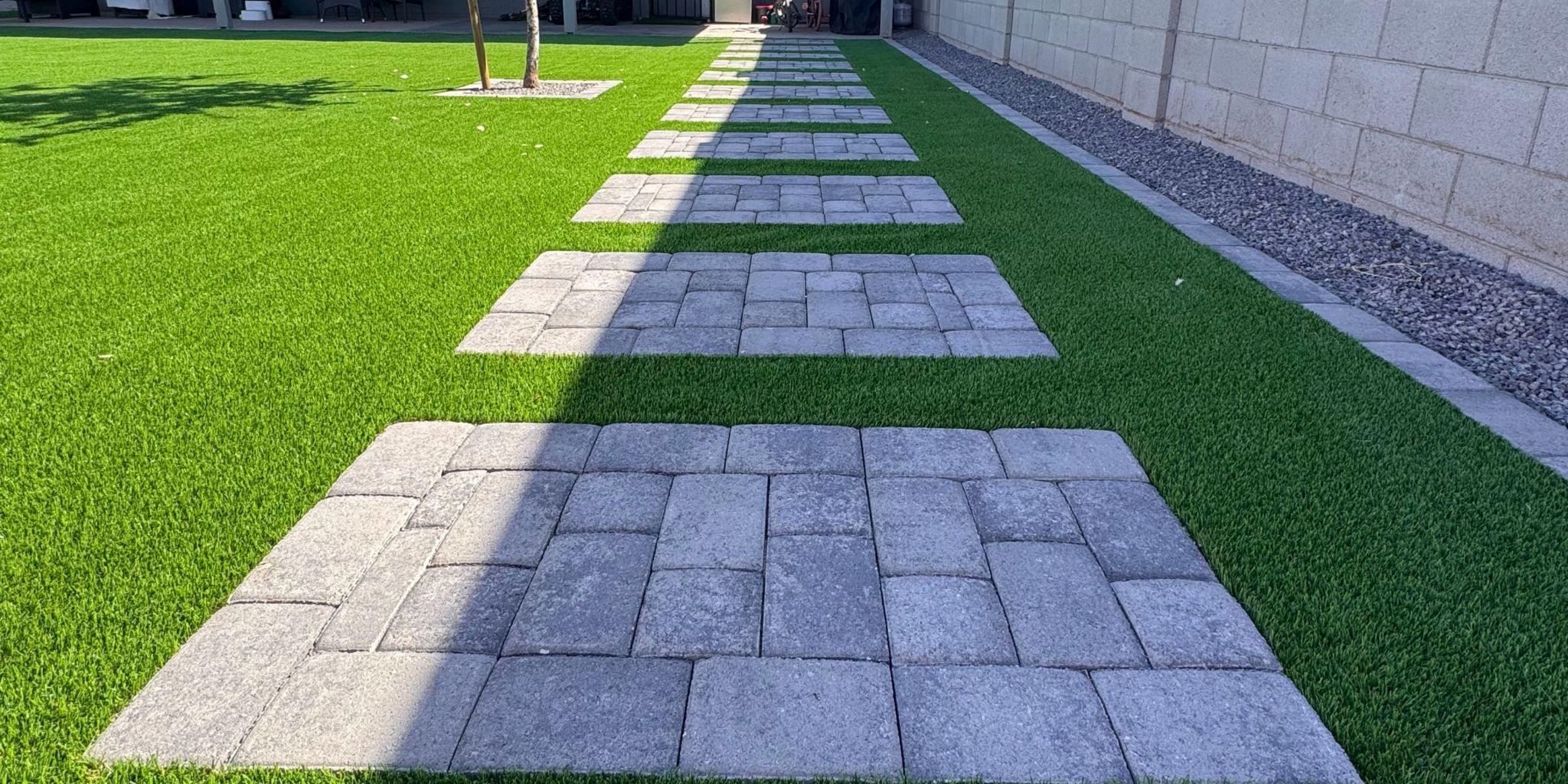
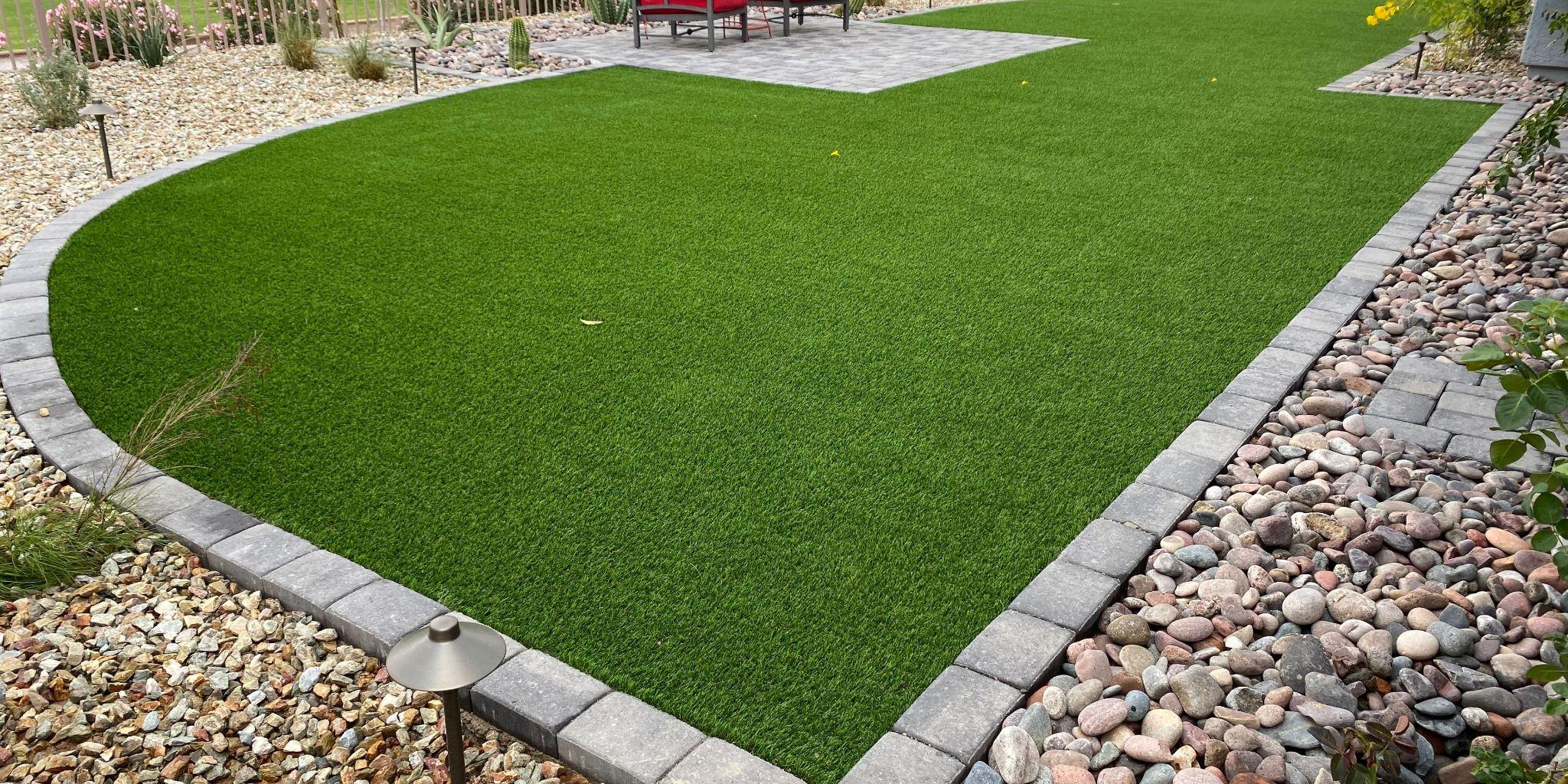
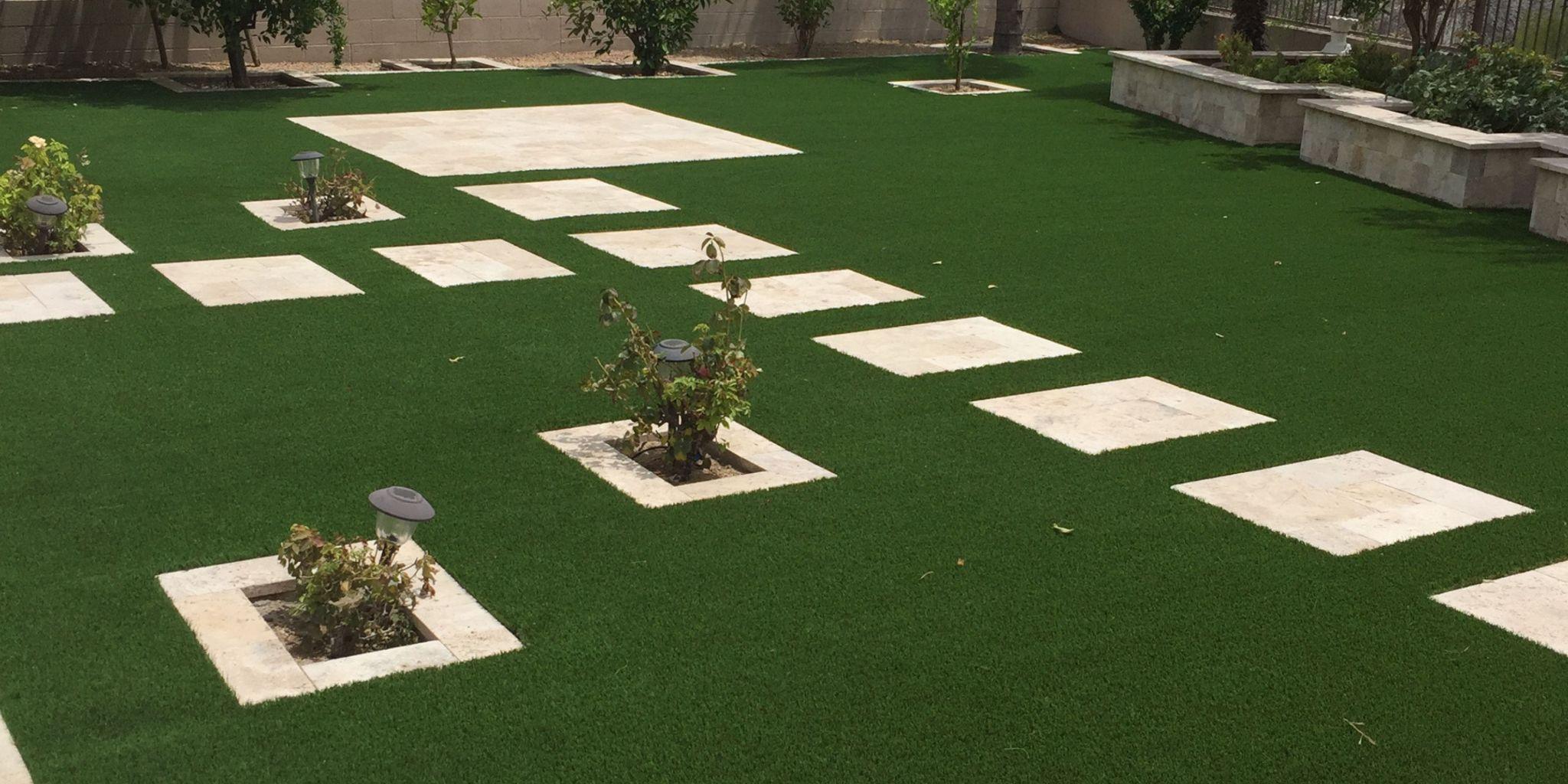
- Better yard usability than rock – A close drought-tolerant landscaping cost comparison shows gravel cuts water bills too. But bare rock feels harsh on children and pets, whereas synthetic turf for Phoenix homes provides a clean, soft play surface without lawn fees.
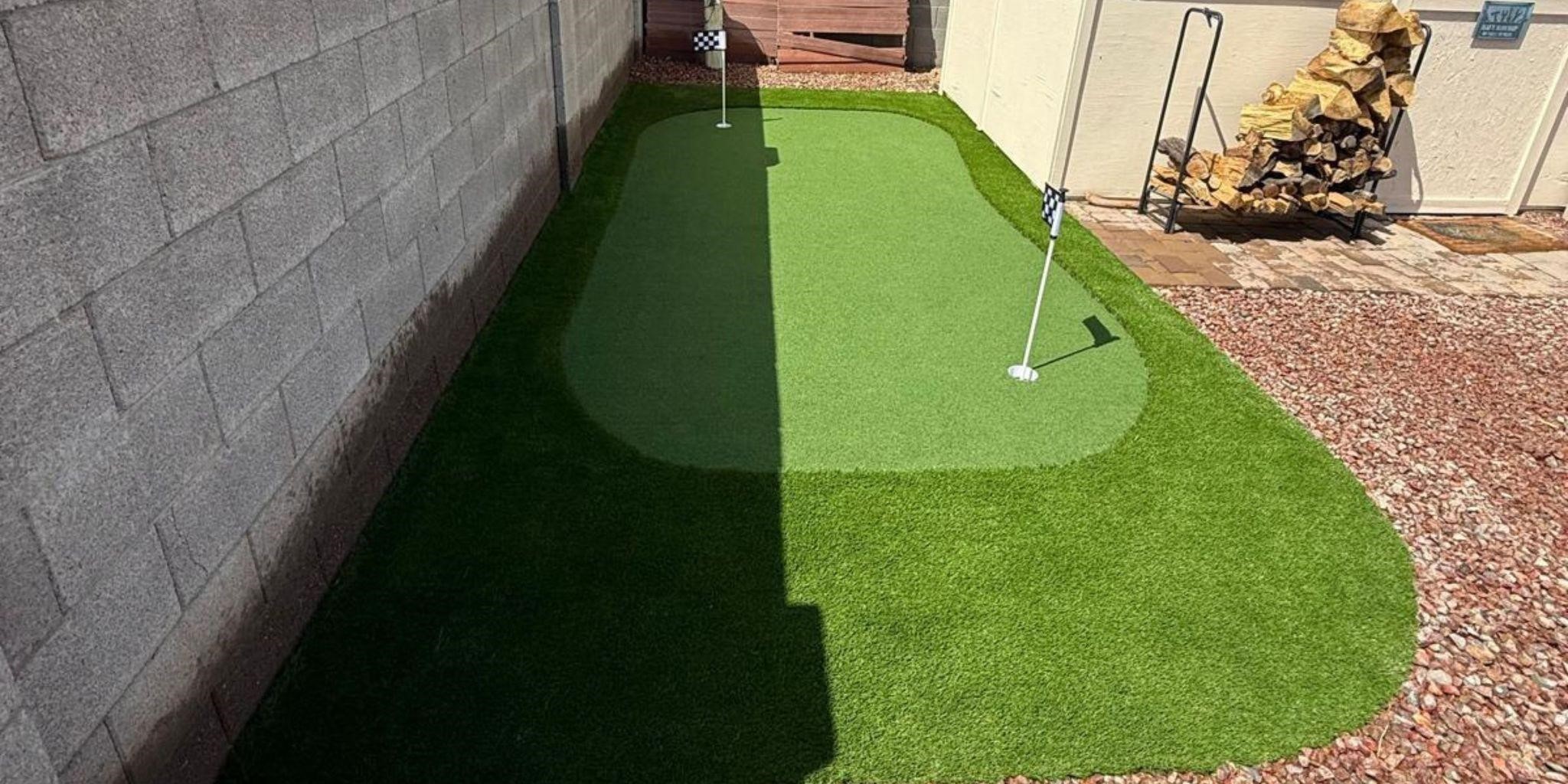
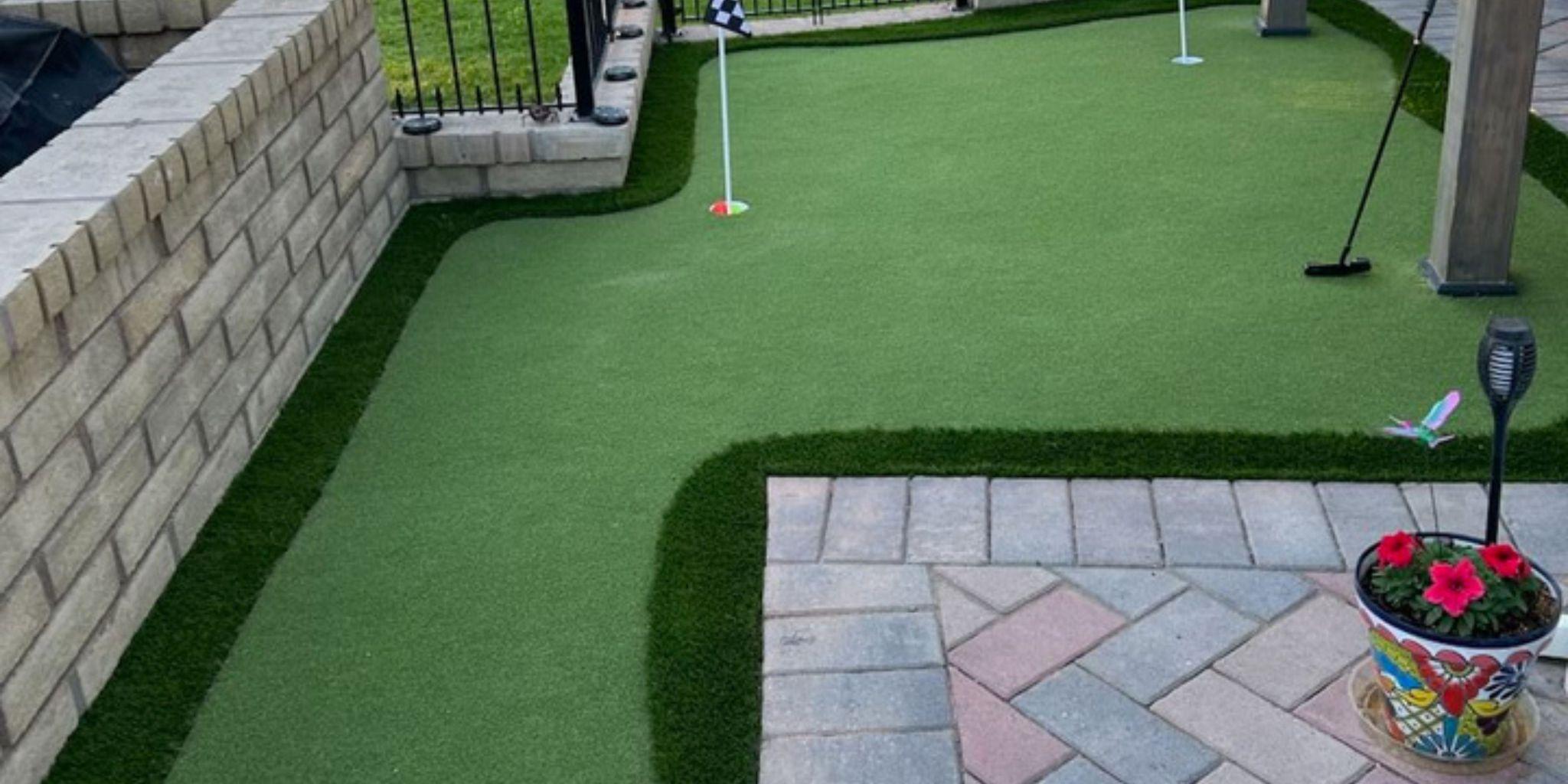
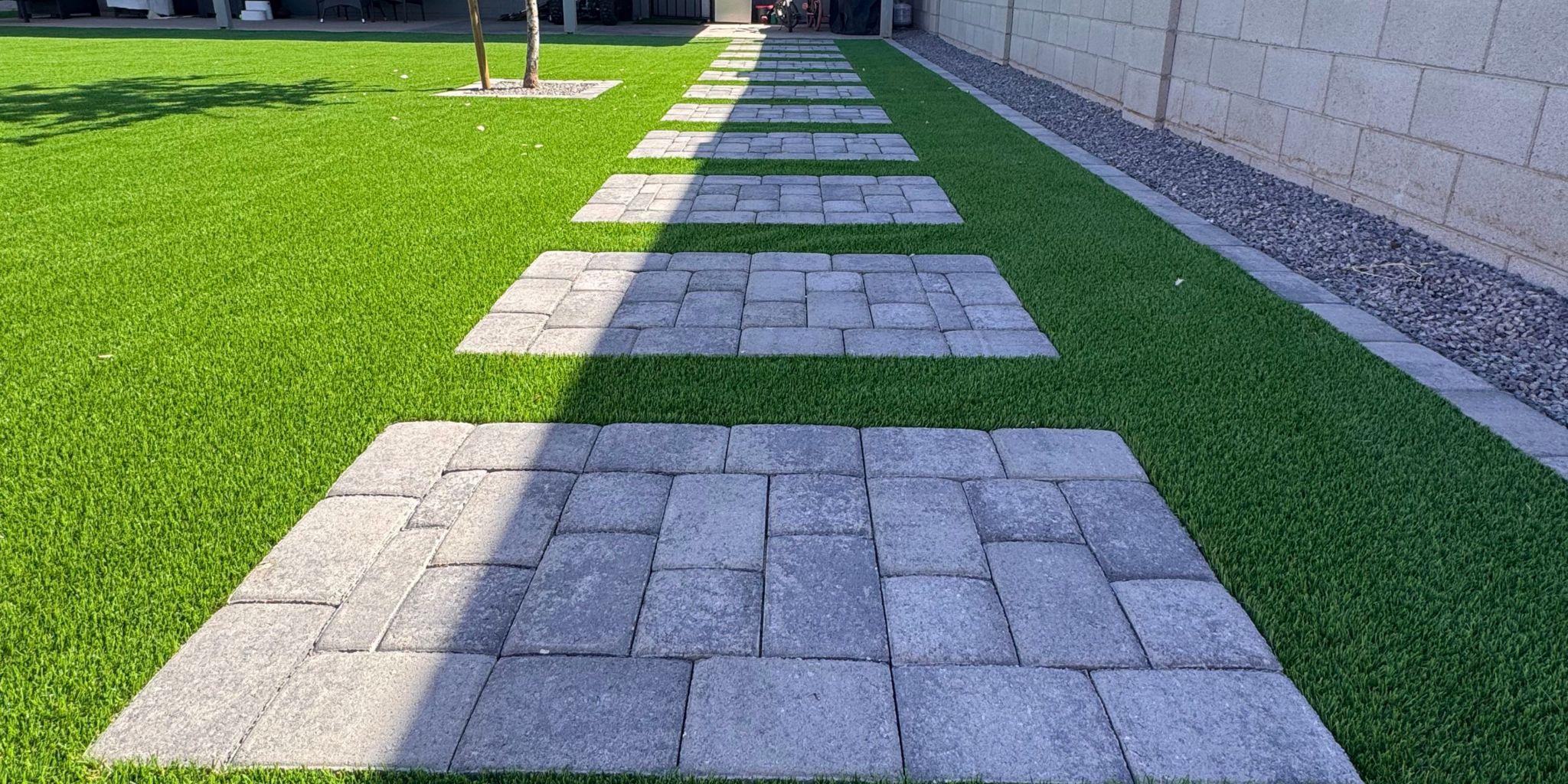
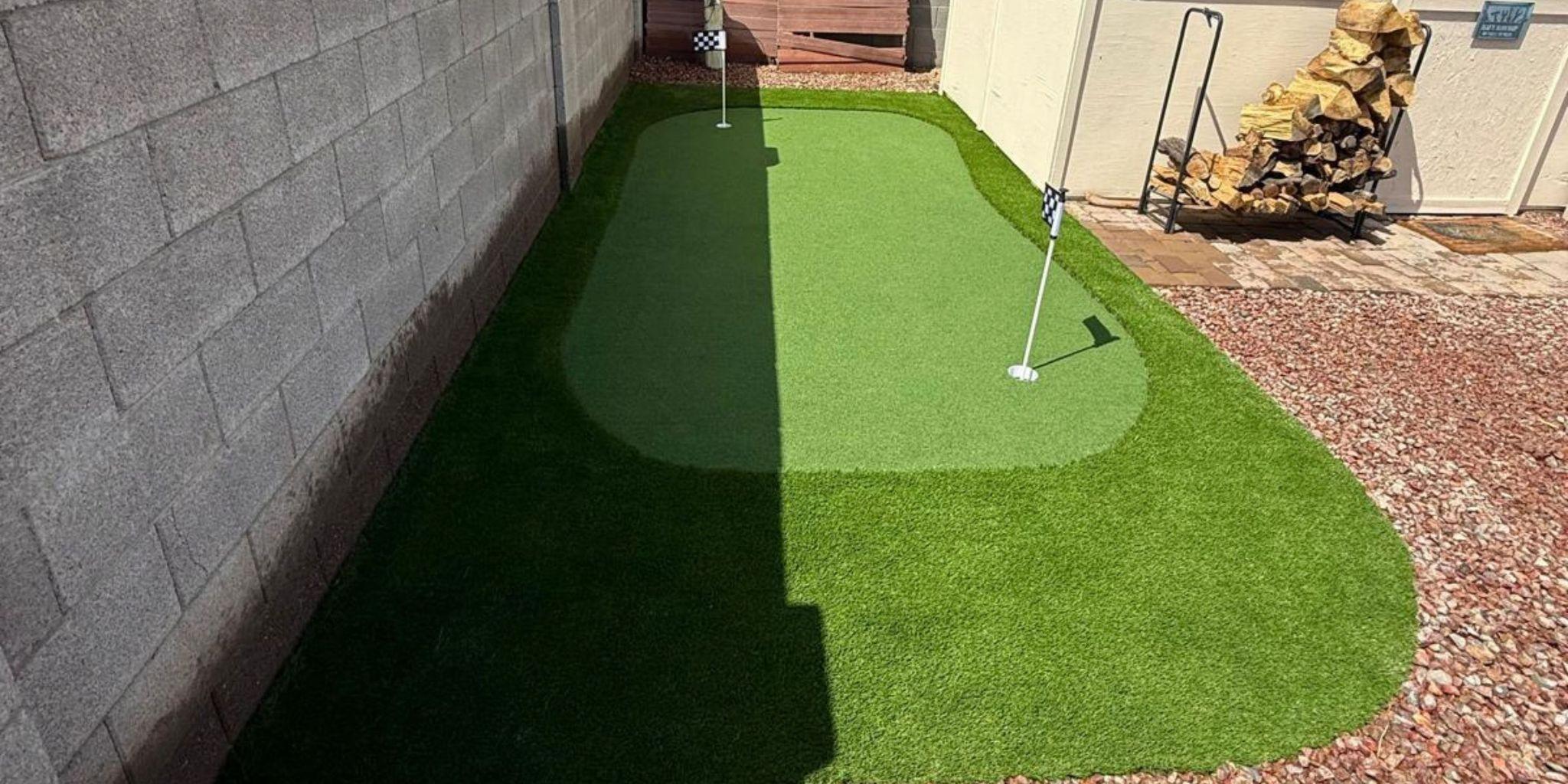
- Built-in backyard recreation – Many homeowners convert narrow side yards into private putting greens in Phoenix, cutting back on paid range trips while choosing low-maintenance residential turf Phoenix households can enjoy year-round.
Picking the Best Artificial Turf in Phoenix for Real Long-Term Value
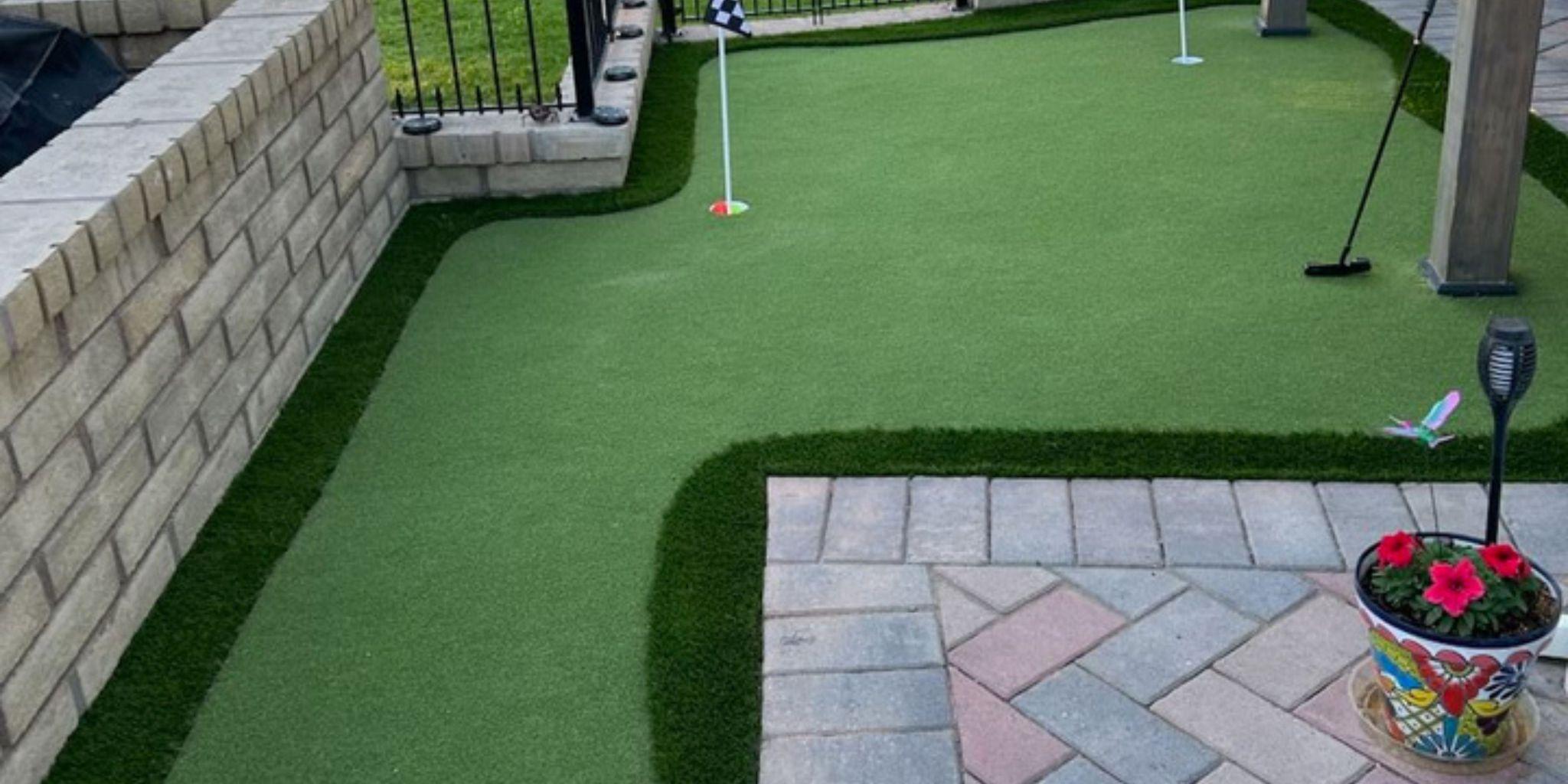
Bargain turf simply doesn’t save you money in the desert. The stuff is thin, and it all just fades under the Arizona sun, mats down along the walkways and splits at the seams in a few summers. You can only get any real household savings out of synthetic grass in Phoenix if you’ve got the right material, the right base, and you’re timing it with the local rebate.
- Clear installation pricing – Professional Valley installations typically range from $4.99 to $12 per square foot, depending on turf weight, excavation work, base rock depth, and pet infill upgrades.
- Strong multi-year payback – UV-stabilized turf with permeable drainage backing routinely lasts 15 to 20 years. Combine $1,800 to $3,600 in annual water and maintenance savings, and artificial grass ROI in Arizona becomes hard to beat after the initial payback window.
- Municipal grass-removal incentives: Checking desert climate lawn replacement rebates before scheduling demolition helps trim upfront costs. Phoenix currently offers $2 per square foot for removing eligible live grass, with plans to raise payouts to $4 per square foot under Stage 2 rules.
- Strict pre-approval requirements: Properties must pass a city pre-inspection and receive a written Notice to Proceed before any grass is pulled. Removing sod early disqualifies the yard immediately.
- Proper base prep prevents costly fixes – Solid compaction, clean drainage, and desert-grade grading stop sunken spots and pet odors. Homeowners reviewing installation standards can check this artificial turf installation guide for Peoria and the greater Phoenix area for technical benchmarks.
Step-by-Step Checklist for Calculating Monthly Household Savings
Before you go hunting for quotes or deciding on a blade style, run the real numbers on the property. Here are the six steps to work out how quickly a lawn conversion will fit within your household budget-
- Pull twelve months of water bills – Highlight June through September statements and note whether monthly use crosses 20 units (14,960 gallons), where planned drought surcharges apply.
- Add up all yearly lawn costs – Total monthly landscaping fees, fall ryegrass overseeding, fertilizers, weed control, mower upkeep, and sprinkler repairs.
- Check rebate and HOA guidelines – Verify that the existing yard meets Phoenix’s 75 percent live-grass rule for rebates and confirm HOA approval before touching any sod.
- Match turf specs to daily wear – Choose UV-stabilized fibers built for Arizona heat, perforated drainage backing, and non-porous antimicrobial infill if dogs use the yard.
- Vet licensed local installers – Compare synthetic turf companies near Phoenix by checking Arizona ROC license status, insurance, A+ BBB accreditation, and written 10-to-15-year warranties.
- Weigh financing against current yard bills – Check whether monthly payments for synthetic grass in Phoenix land close to, or below, existing combined water and lawn care spending.
Turning Monthly Yard Bills Into Long-Term Household Savings
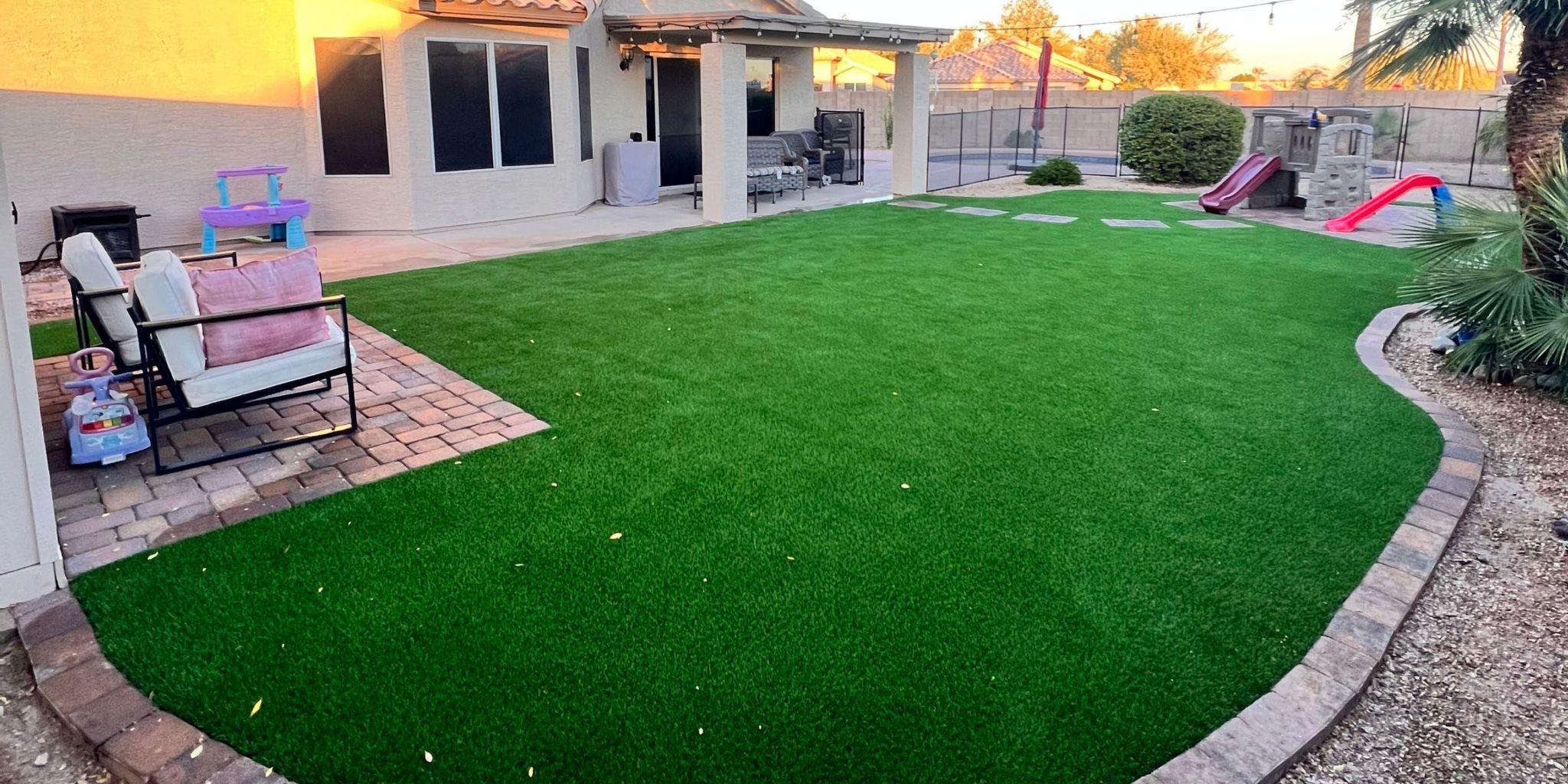
Keeping natural grass green in the desert means paying a permanent monthly tax on water, lawn crews and seasonal overseeding. Switching to synthetic grass in Phoenix is the solution to that, with a tough, clean yard that will last for over 10 years in the face of triple-digit heat. You also get your weekends back as you’re not going to be losing them to a mower.
Ready to see exact cost and savings numbers for a specific yard? Connect with Synthetic Grass Masters, a licensed, bonded, insured, and A+ BBB-accredited installer, to book a free design consultation and custom estimate. Ready to see the exact cost and savings for your yard? Get in touch with Synthetic Grass Masters (a licensed, bonded, insured and A+ BBB-accredited installer) to book your free design consultation and custom estimate. Installations start at $4.99 per sq ft; we offer flexible financing options and 10- to 15-year manufacturer warranties.
FAQs About Synthetic Grass in Phoenix
How much does artificial grass cost in Phoenix, AZ?
Installed artificial grass typically costs $4.99 to $12 per square foot, depending on turf weight, base prep, and pet infill. Custom backyard putting greens usually run $9 to $20 per square foot.
Can weeds grow through artificial grass?
Weeds almost never push through properly compacted base rock and commercial weed fabric. Windblown seeds sometimes sprout inside surface dust, but they pull out easily by hand without deep roots.
What should homeowners never put on artificial grass?
Keep hot grills, fire pits, fireworks, harsh chemical solvents, and parked vehicles off synthetic turf. Extreme heat melts polyethylene blades permanently, while heavy tires flatten fibers and shift the rock base.
Which type of artificial grass is best for Arizona yards?
UV-stabilized polyethylene or polypropylene turf with a 65-to-70-ounce face weight, perforated backing, and cooling infill holds up best in desert heat. Dog owners should add non-porous antimicrobial infill to control odors.
What ruins artificial grass fastest?
Reflected sunlight from energy-efficient Low-E windows melts turf fibers faster than almost anything else. Poor sub-base drainage, unrinsed pet waste, and petroleum-based solvents also shorten turf life quickly.
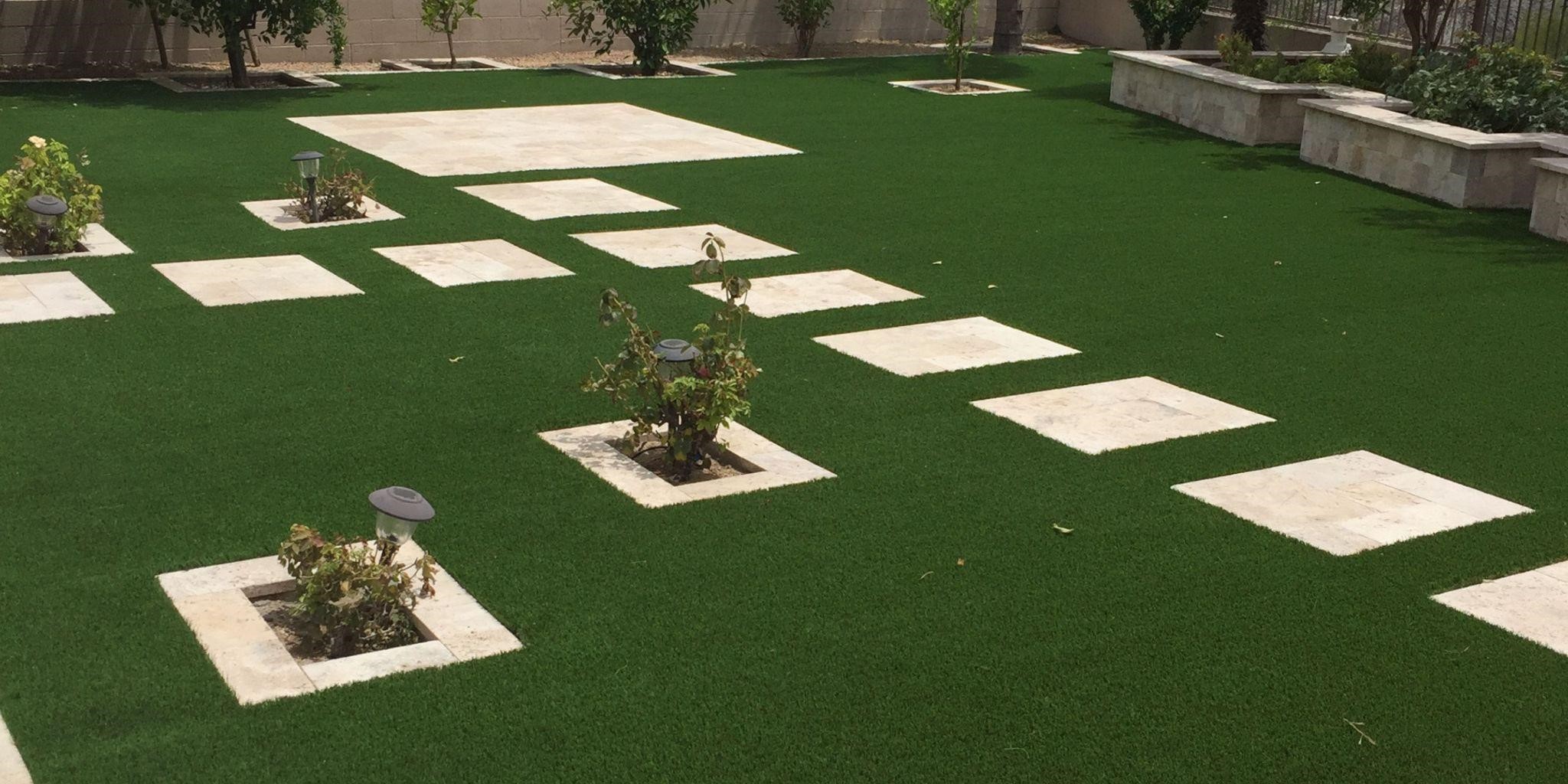 Superior Drainage Systems
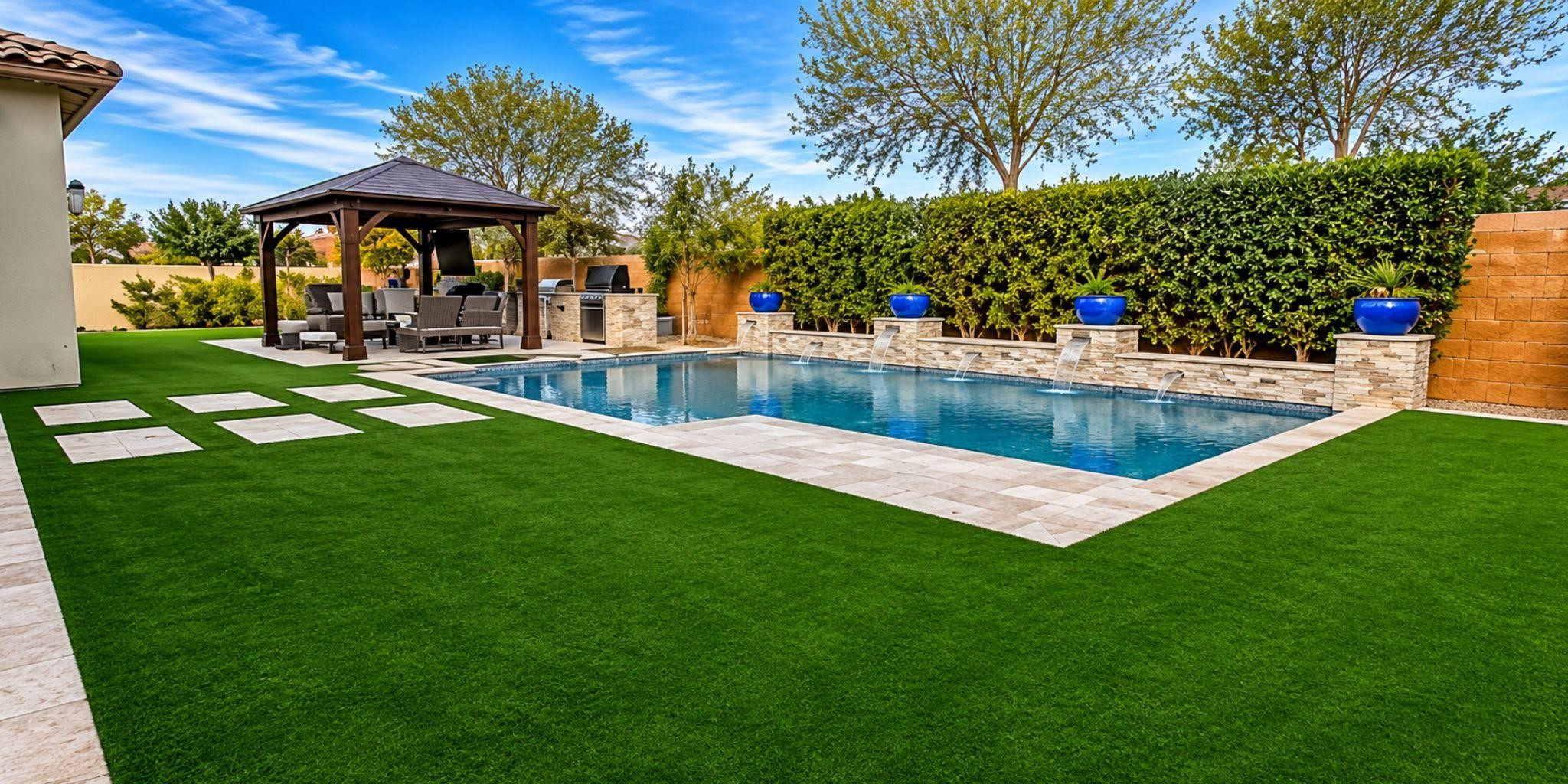
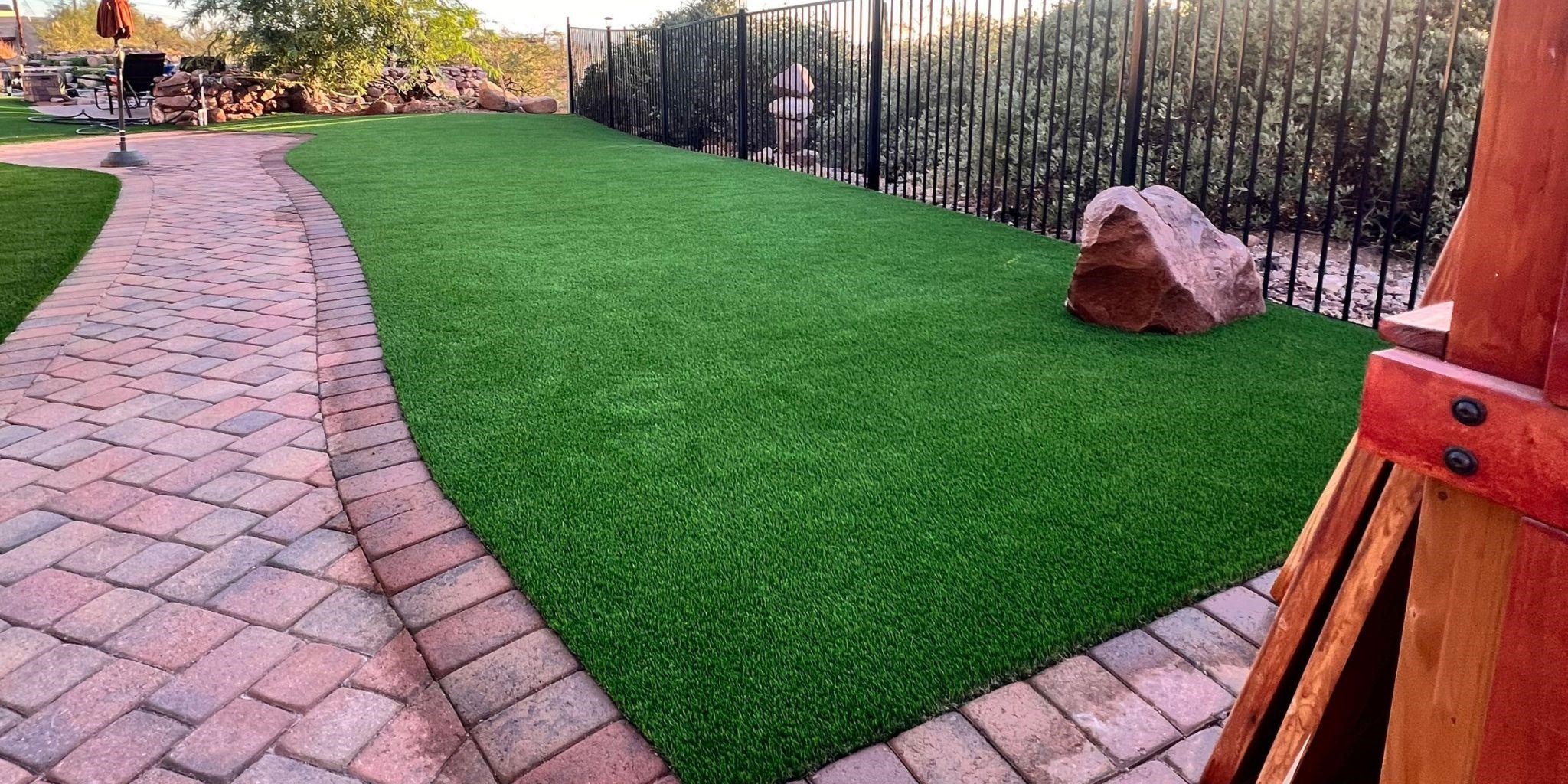
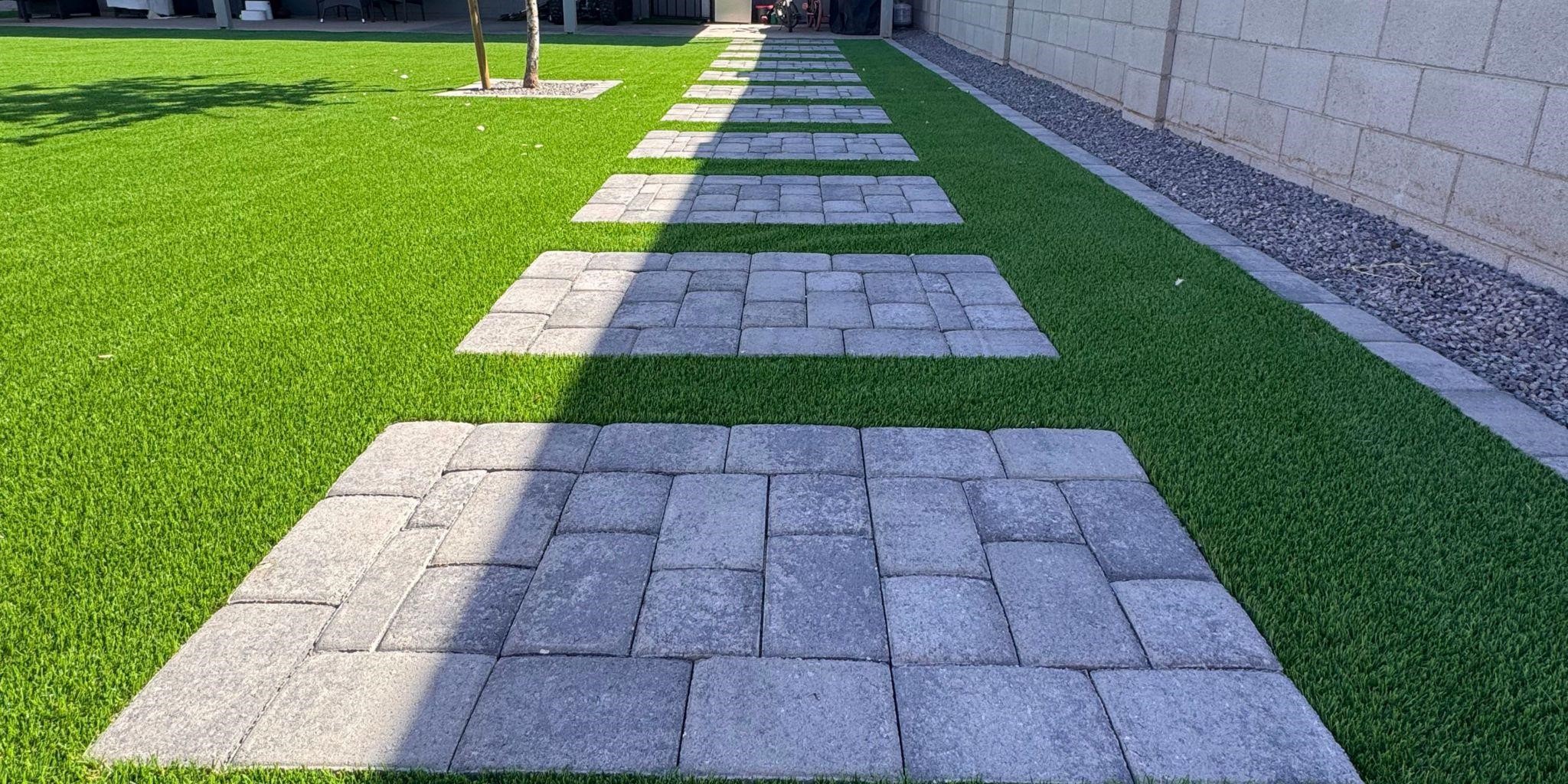
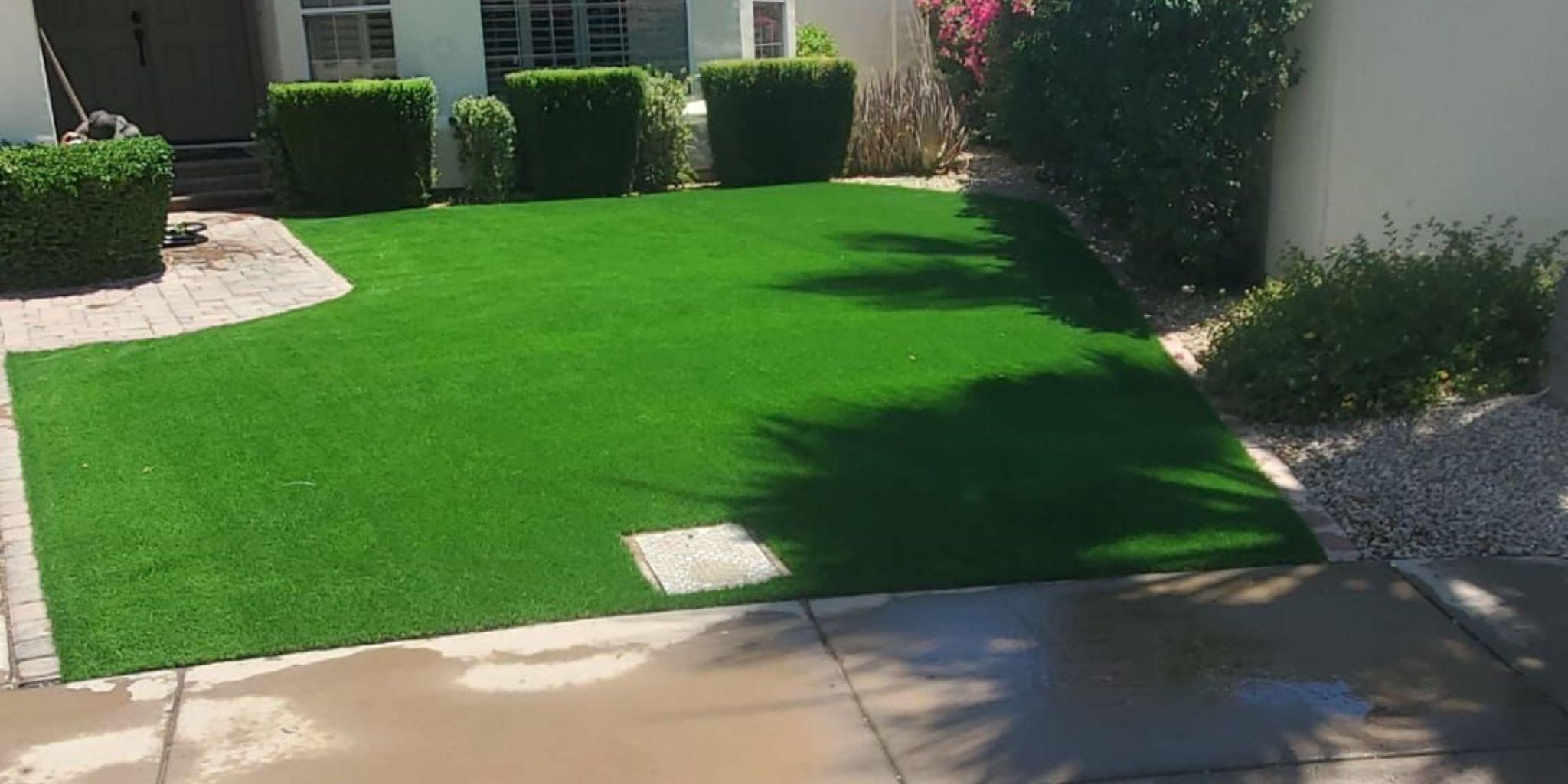 A yard full of rocks gets boring very fast. You need a little bit of color to break up the brown space.
 Once you get that bare dirt covered up, you just have to maintain it.
 Your water bill is only the first hidden cost of natural grass. You also have to feed it, cut it, and protect it from relentless desert weeds. If you hire a professional lawn care crew, you can expect to pay anywhere from USD 100 to USD 200 a month.
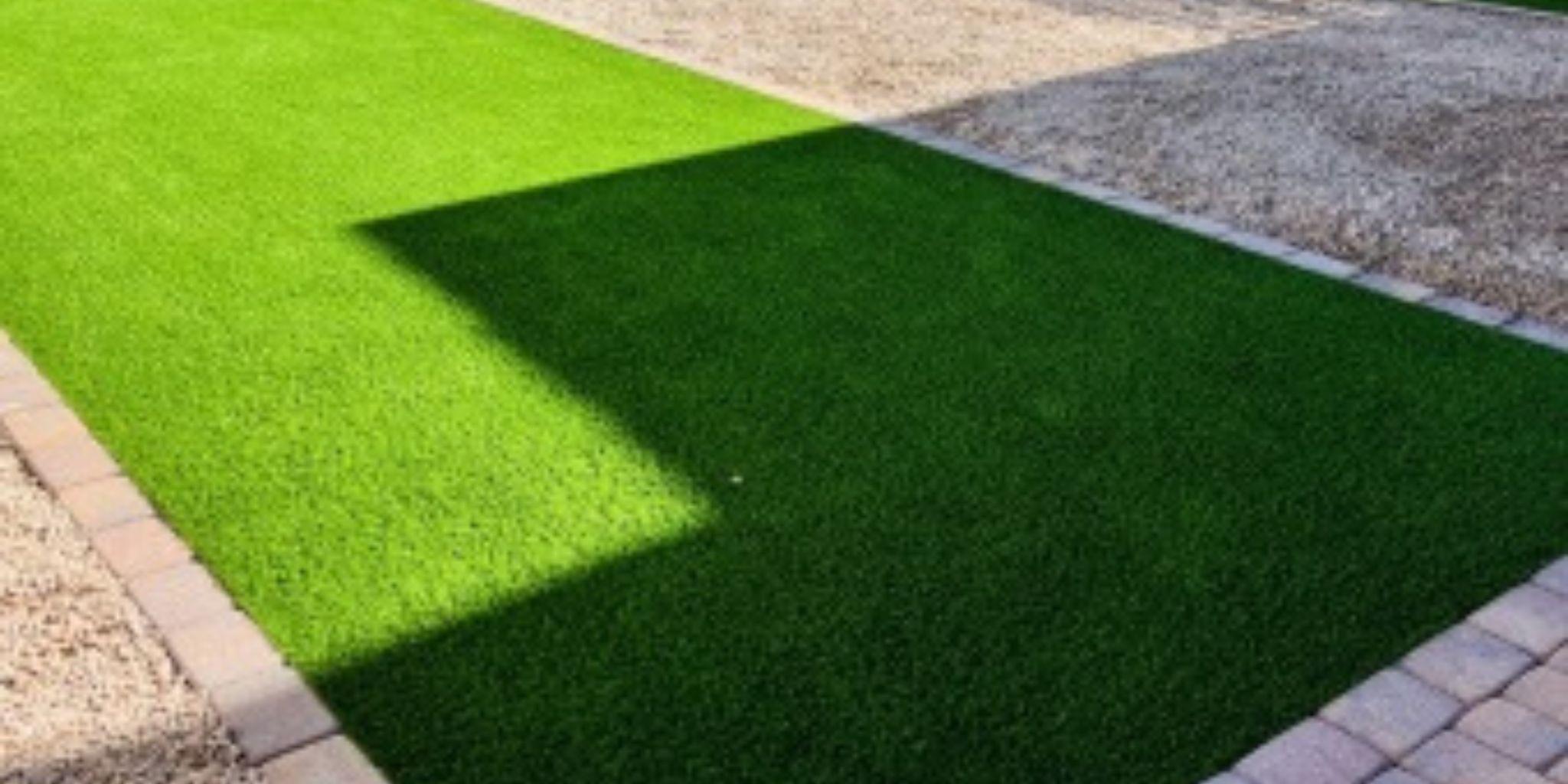 Not all turf is created equal, and a bad installation will ruin even the best product. You must hire a team that actually understands the unique soil and drainage challenges of our local desert environment.


 602-384-7746