

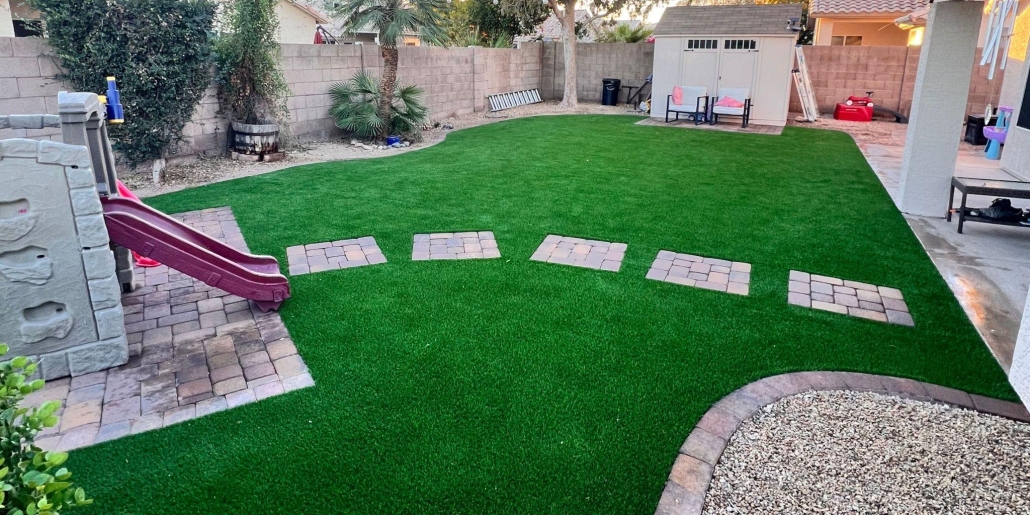
Artificial Grass for Playground: The Complete Buyer’s Guide for Parents & Schools
Creating a secure, tough, and clean outdoor space is the absolute top priority when building play areas for kids. Natural grass usually gives up under heavy foot traffic, quickly turning into a muddy, uneven mess that tracks dirt everywhere. But there is a practical fix that actually works. Choosing artificial grass for playground upgrades takes away those endless maintenance headaches completely. It creates a soft, reliable foundation where kids can run wild without tripping over hidden rocks, slipping in mud puddles, or rolling around in harsh lawn chemicals.
Understanding the turf market requires knowledge of safety ratings, materials, and complicated drainage systems. However, it doesn’t need to be a pain to go through all those choices. A correct foundation means that the play area will be safe for the years ahead. This blog will cover exactly how to ensure your kids are safe, how to get the best quality for your dollar, the step-by-step installation process and how to keep your play space in tip-top shape.
Why Artificial Grass for Playground Surfaces Wins?
When you compare safety and lifespan, modern synthetic options beat regular grass every single time. Anyone who has tried to keep a natural lawn looking good in a busy park knows it is a losing battle. But synthetic alternatives give you a consistently great look and actually work exactly the way you need them to.
Here is why making the switch to an artificial turf playground makes total sense-
- Built for Rough Play- Kids play hard. Regular dirt and grass get torn up in weeks, leaving ugly bald spots and trip hazards. Synthetic fibers are literally built to handle extreme friction and heavy running without falling apart.
- Fewer Trips and Falls- Mud and bumpy ground cause so many unnecessary accidents. A professionally laid surface gives kids a flat, predictable area to run on. And the padded underlayment acts like a giant cushion when they inevitably take a tumble.
- Better for the Planet- Trying to water a massive natural field wastes thousands of gallons a year. Switching to sustainable playground flooring saves a ton of water. Plus, you never have to spray nasty weed-killers or fertilizers where children are crawling around.
- No More Rain Delays- A quick rainstorm turns dirt into mud, ruining recess for days. Modern turf has massive drainage capacity built right in. The water flushes right through. Kids are back outside playing almost immediately.
- Serious Allergy Relief- Spring allergies trap so many kids indoors. Synthetic blades do not produce pollen. That creates a super comfortable, sneeze-free zone for sensitive kids.
- Looks Great All Year- Say goodbye to yellow patches and constant weed-whacking. The bright green color is locked in. It resists fading even when the summer sun beats down on it constantly.
- Keep the Bugs Away- Ants, ticks, and other pests live in natural soil. Take away the dirt, and you instantly drop the bug population, keeping kids safe from itchy bites and stings.
Did you know?
Upgrading to high-quality synthetic turf can actually reduce playground injuries by up to forty percent. Specialized padding absorbs falls much better than old-school wood chips ever could.
Putting money into high-quality outdoor surfacing is about way more than just looks. Using artificial grass for playground spaces directly impacts a community’s health and the school’s budget. Traditional parks need constant mowing, edging, and watering. But synthetic setups let maintenance crews focus on other things. The thing is, the long-term payoff is massive. You get a clean, ready-to-use surface that looks inviting every single day of the year.
How to Pick the Best Artificial Grass for Playground Projects
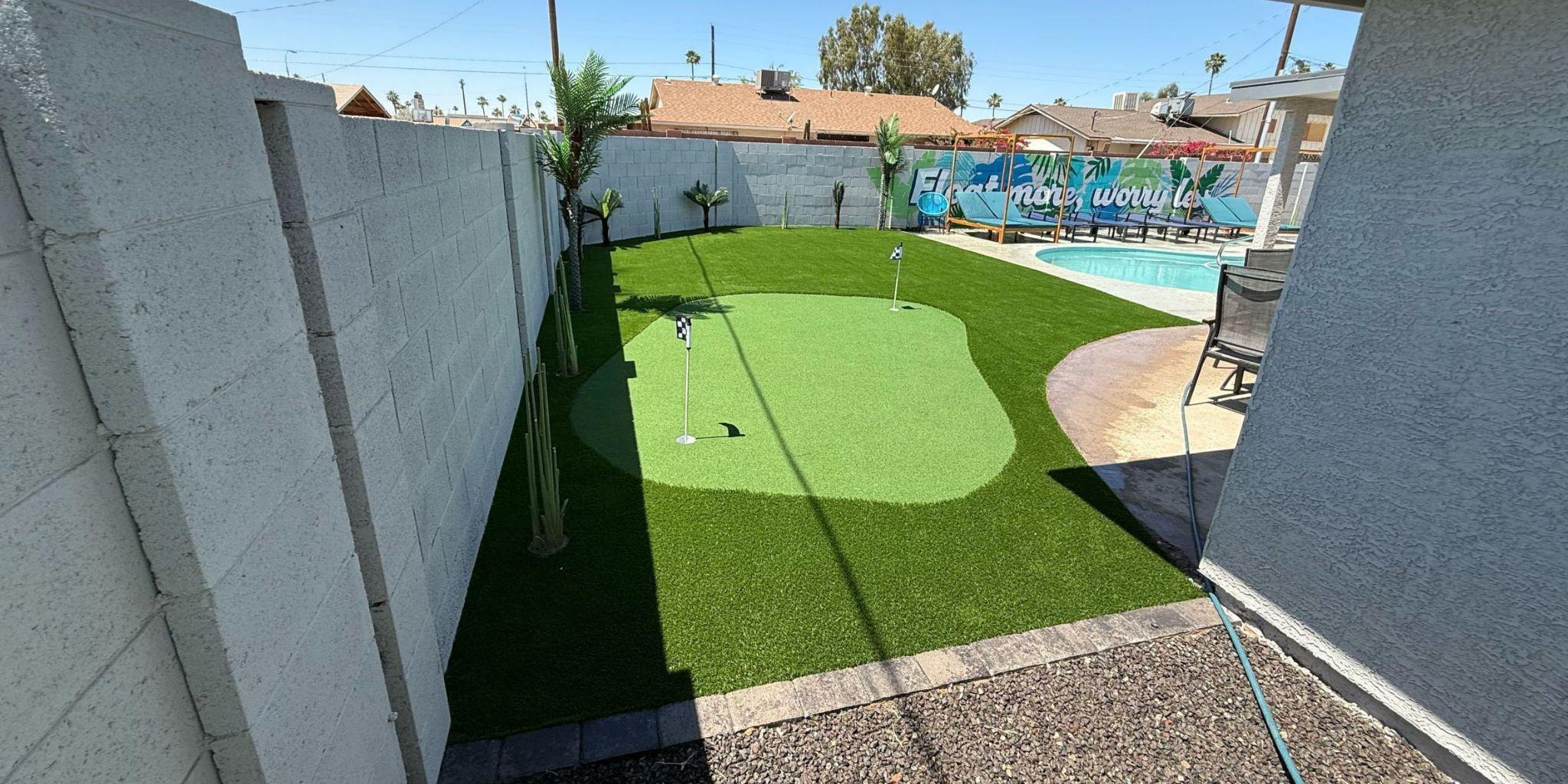
The market is totally flooded with options. But finding the right one means looking way past just the color green. If you want maximum safety and toughness, you have to look closely at how the product is actually manufactured.
Here are the absolute must-haves when shopping for a reliable kid friendly turf-
- The Perfect Blade Height- Super short blades feel scratchy and stiff. Really long ones just flatten out when people walk on them a few times. Finding a pile height right around 1.25 to 1.5 inches hits the sweet spot. It stays soft but stands up straight under pressure.
- Heavy Face Weight- Density is everything here. A higher face weight means the manufacturer packed more grass into every square yard. Aim for at least 60 to 80 ounces so the play area turf doesn’t wear thin after a few months of heavy use.
- Proven Safety Scores- Always ask the vendor for the impact attenuation rating. This specific test shows exactly how much shock the ground absorbs. It tells you if the surface will actually protect a kid falling off the monkey bars or swings.
- Clean Materials- You can’t compromise on health. Only look at non-toxic synthetic turf that is certified 100% free of lead and heavy metals. Good brands have third-party labs test their stuff to prove it is safe.
- Cooling Technology- Plastic gets warm in the sun. But the premium stuff uses advanced cool-yarn technology. These blades literally reflect sunlight to keep the ground way cooler, even in the middle of July.
- Soft Texture- Scraped knees totally ruin playtime. Modern polyethylene fibers feel much softer than the old, stiff nylon ones. Kids can slide around without getting nasty friction burns on their legs.
Don’t Forget the Infill
And you have to think about what goes between the blades. Skip the black crumb rubber for places where kids play. Coated sand or natural organic infills do a much better job of killing odors and keeping the whole place totally sanitary.
Key Takeaways
- Switching to synthetic grass cuts down massive maintenance costs and stops the need for chemical weed killers.
- You absolutely need a specialized shock pad underneath to meet playground fall safety codes.
- Picking turf with a high face weight keeps the grass looking thick and full for years.
- Using the right antimicrobial infill keeps the play area clean, smelling fresh, and cooler in the sun.
- Hiring pros for the install ensures the ground drains perfectly and stays accessible for everyone.
Your Essential Playground Turf Installation Checklist
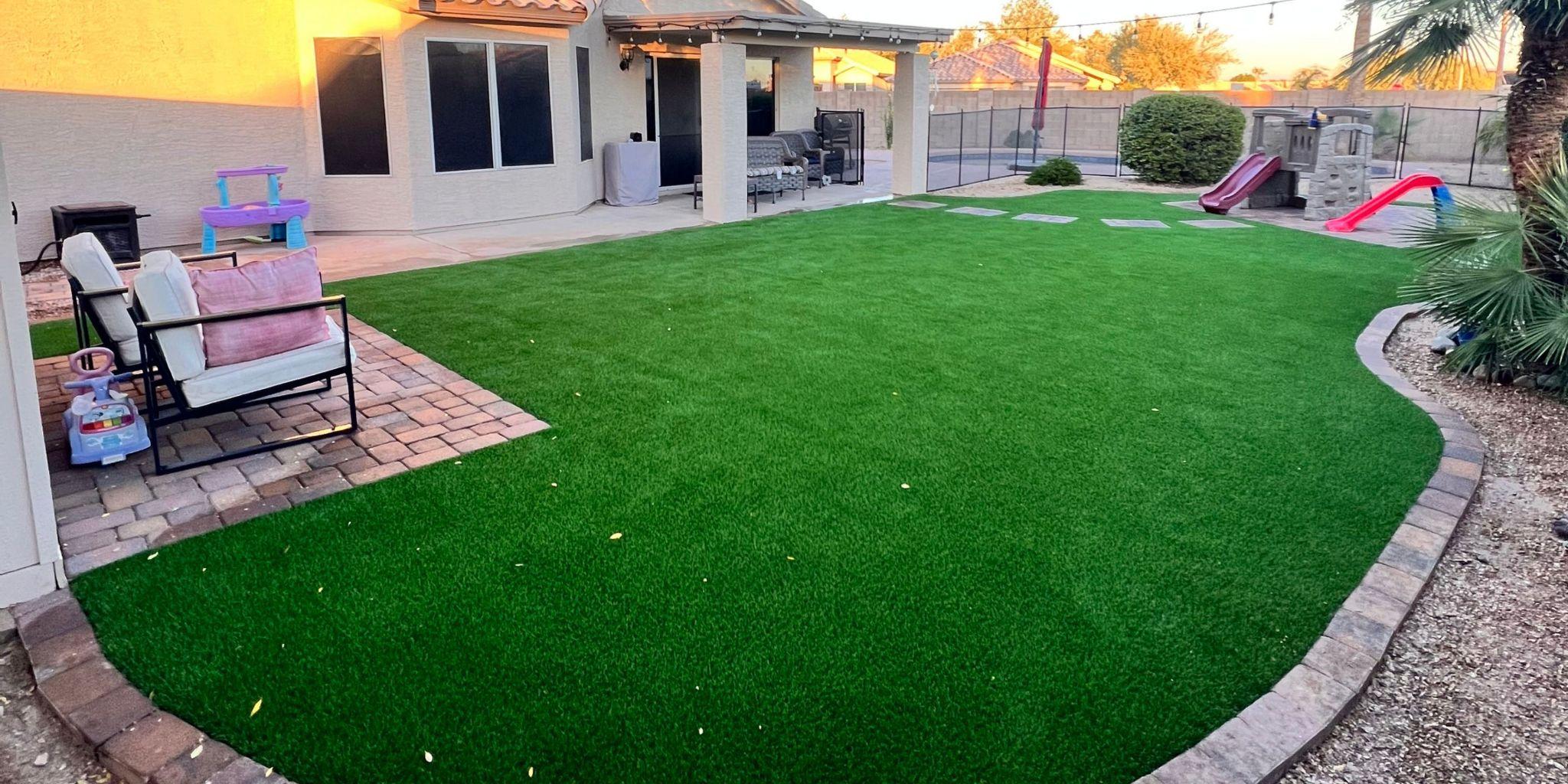
Buying great materials is only half the battle. If it is put in wrong, you end up with wrinkles, terrible drainage, and edges that kids trip over. That’s exactly why hiring a pro crew is the smartest move. They know how to deal with weird soil, crazy weather, and local safety codes. Setting it up right guarantees the water drains and the turf stays put for years.
Here is the exact step-by-step breakdown of how the pros actually do it-
- Clearing the Dirt- Dig out all the old grass, dirt, and rocks down to about three or four inches. Starting with a totally clean, flat base is non-negotiable if you want it to look right.
- Locking the Edges- Secure the outside borders. Putting in a bender board or a concrete curb stops the base dirt from washing away in a storm. Plus, it makes the whole thing look incredibly polished.
- Pouring the Base Rock- Spread a thick layer of crushed rock, usually Class II road base. This stops the ground from sinking and creates a rock-solid foundation for everything on top.
- Packing it Down- Wet the rock and run a heavy plate compactor over it until it is locked tight. Give it a tiny slope. That slight angle creates perfect drainage for playground grass so puddles never form on the surface.
- Stopping the Weeds- Roll out a heavy weed barrier fabric. You absolutely need this so stray roots don’t poke through your brand-new turf.
- Adding the Cushion- This is what makes it a real play area. Lay down specialized shock foam. This pad is the secret to meeting critical fall height rules and keeping kids safe from head injuries.
- Rolling the Grass- Unroll the turf carefully over the foam. Let it sit in the sun for an hour to soften the backing. Then, cut it perfectly around equipment poles and slides.
- Taping the Seams- Glue the edges together with commercial tape and strong outdoor adhesive. Pin the outside edges down tight with heavy landscape nails spaced every few inches.
- Spreading the Infill- Drop kid-safe infill all over the grass. It weighs the turf down, holds the blades up, and adds a little extra cushioning.
- Brushing it Out- Run a motorized power broom over the whole thing. It pushes the infill down to the bottom and makes the grass look incredibly lush and natural.
Putting together artificial grass installation for playground setup takes a lot of careful measuring and heavy lifting. But when a crew nails it, you get an ADA compliant playground turf that makes it super easy for wheelchairs and strollers to roll right over it without getting stuck.
Final Words
Building a fun, secure, and tough outdoor space is a huge deal. Regular dirt and grass just cannot survive a bunch of energetic kids running around every single day. Choosing artificial grass for playground upgrades fixes the mud, the mowing, and the safety worries all at once. You end up with a bright, clean space that handles the weather and looks amazing all year. And the peace of mind knowing the ground is built to protect them? Totally worth it.
Ready to upgrade your school or backyard into a totally hazard-free play zone? Reach out to the experts at Synthetic Grass Masters today to set up a site visit and lock in a premium, safe turf setup.
FAQs About Artificial Grass for Playgrounds
Is synthetic turf actually safe for children?
Yes, premium options are completely non-toxic, lead-free, and use thick under-padding to cushion falls.
How many years will playground turf last?
If installed right and lightly maintained, a high-quality surface easily holds up for 15 to 20 years.
Does the grass get burning hot in the summer?
It gets warmer than dirt, but modern cooling yarns and light infills drop surface temperatures significantly.
Can you put synthetic turf right over a concrete pad?
Absolutely, as long as you add a thick drainage and shock-absorption mat between the concrete and the grass.
What is the best way to clean the turf?
Just blow off the leaves, hose down any sticky spills, and occasionally spray a pet-friendly turf cleaner to keep it fresh.


 602-384-7746
