

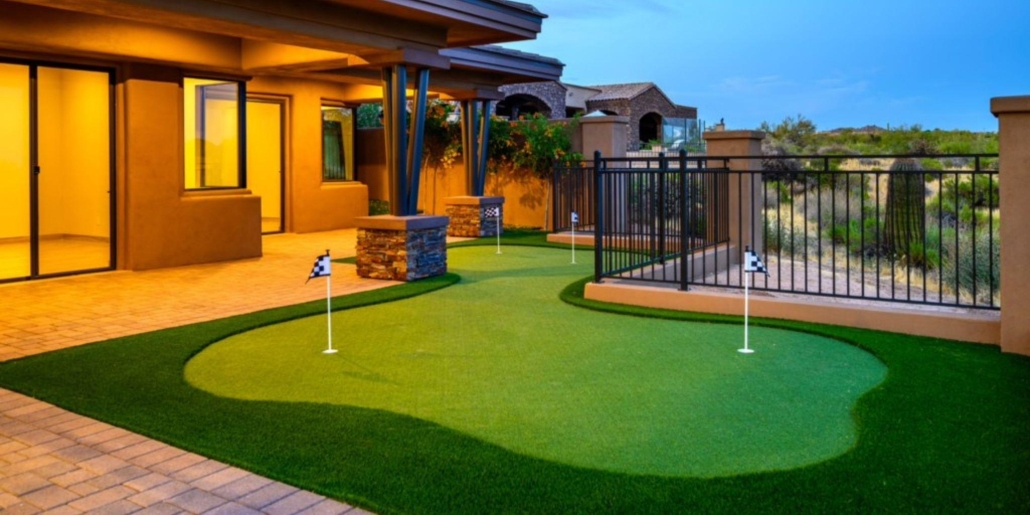
From Old Lawn to Beautiful Turf: The Artificial Grass Installation Process in Phoenix AZ
If you’ve lived in Phoenix, Arizona for more than one summer, you already know the drill. The grass looks fine in March, and by July it’s a crispy brown mess that no watering will save. Many residents encounter that same barrier and begin to think whether there’s a better method to achieve the green lawn without having to watch it every weekend. That’s the idea artificial grass installation Phoenix, AZ is solving for. Below, we’ll explore why this is the case, what really happens during installation and the steps needed to maintain the lawn after installation.
Did You Know?
Phoenix has some of the hottest summer temperatures in the United States, with average summer high temperatures often reaching 100°F (37.8°C) or more, according to the National Oceanic and Atmospheric Administration (NOAA).
Why Phoenix Homeowners Are Switching From Natural Grass to Artificial Turf
Honestly, it comes down to heat and water bills. Real grass just can’t keep up with Phoenix summers without constant irrigation, and that gets expensive fast. Synthetic turf installation Arizona skips all of that, giving you a green yard that doesn’t care how hot it gets outside. Still, if you want to gain more insight regarding natural grass vs artificial grass, which one is better, then click here to get a detailed view.
Step-by-Step Artificial Grass Installation Process in Phoenix, AZ
Installing turf the right way isn’t as simple as rolling out a carpet. Arizona’s rock-hard, clay-packed soil needs some real prep work first. Here’s how a proper job usually goes:
- Site Evaluation: Someone walks the yard, checks how water drains, and measures everything before any work starts.
- Old Lawn Removal: The dead grass, weeds, and roots get dug out so there’s a clean slate to build on.
- Grading and Sloping: The dirt gets leveled and tilted slightly so monsoon rain has somewhere to go.
- Base Material Installation: Crushed granite or similar aggregate goes down first to handle drainage and support.
- Compaction: That base layer gets packed down tight so the ground won’t shift or sink later.
- Weed Barrier Placement: A fabric layer goes in next so weeds can’t punch through the turf down the road.
- Turf Rolling and Cutting: The grass itself gets rolled out and trimmed to fit your yard’s exact shape.
- Seaming and Securing: Pieces are joined so the seams disappear, then everything gets pinned down at the edges.
- Infill Application: Sand or rubber granules get worked into the blades to help them stand up and feel softer underfoot.
- Final Grooming: A last brush-through fluffs the fibers so the lawn looks full instead of flat.
How Long Does Artificial Grass Installation Take in Phoenix, AZ?
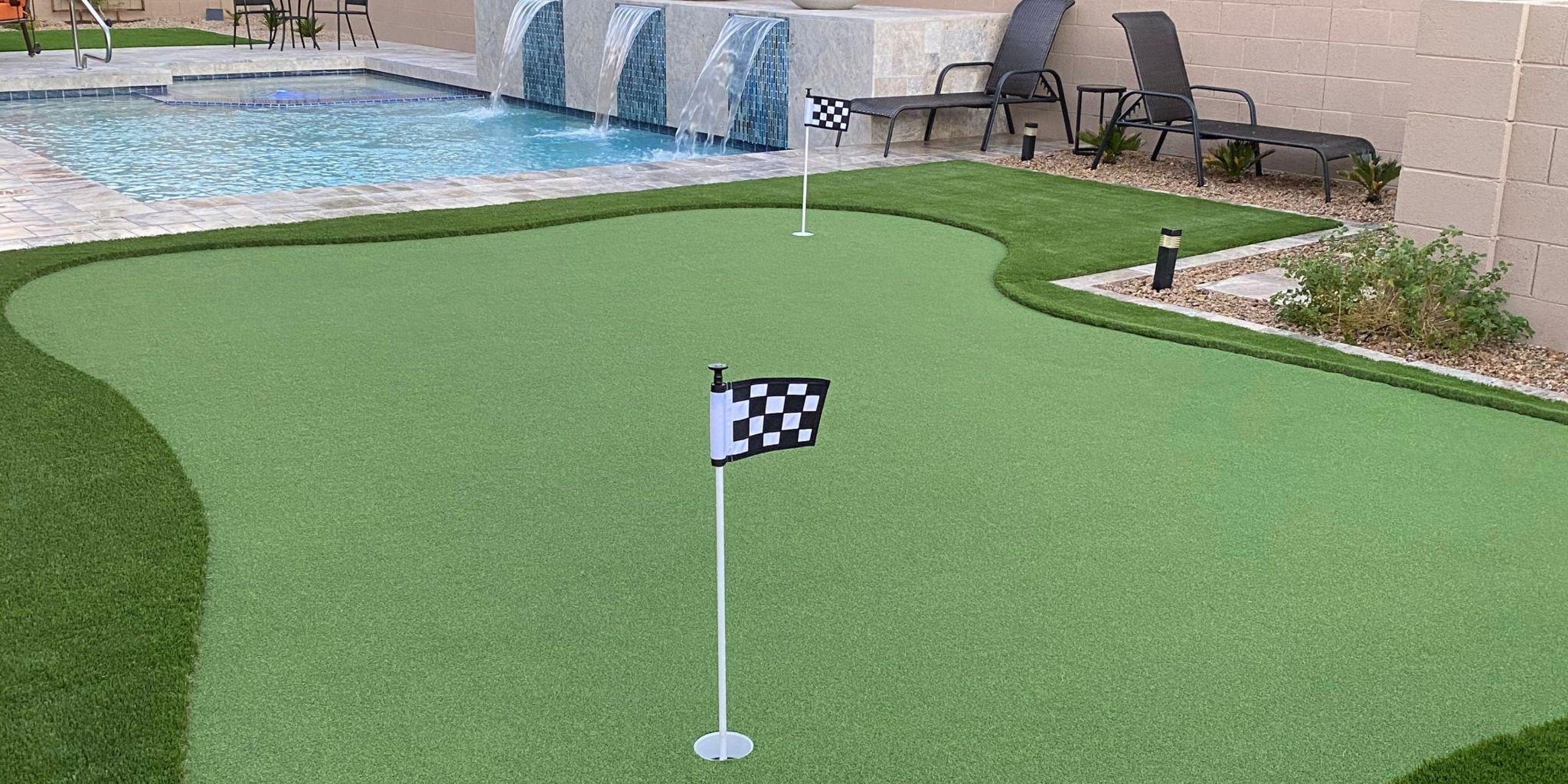
Timing really depends on how big the yard is and how tricky the layout gets. Here’s a rough idea of what to expect:
- Small residential yards: Usually wrapped up in a single day.
- Medium-sized backyards: Plan on one to two days, give or take.
- Large properties: Could stretch across two to four days.
- Complex layouts: Slopes and odd angles tend to slow things down.
- Weather delays: Heat waves or monsoon storms can push the schedule back a bit.
Choosing the Right Artificial Turf for Your Phoenix Property
Turf isn’t one-size-fits-all, and picking the wrong type can mean disappointment later. This is where talking to artificial turf installation experts Arizona actually pays off, since they can match the product to how you’ll use the space.
- Pile height: Shorter blades hold up better in busy areas; longer ones look fuller.
- UV resistance: Look for turf built to handle constant Arizona sun without fading.
- Pet-friendly backing: Better drainage underneath makes pet turf cleaning Phoenix routines far less of a hassle.
- Density and weight: Heavier turf usually means it’s built to last longer.
Why Professional Artificial Grass Installation Matters
It’s tempting to think this is a weekend DIY project, but the base work and seaming really do require some know-how. Skip a step, and you’ll end up with wrinkles, puddles, or uneven wear within a year or two. That’s why going with a crew that actually understands the best artificial turf Phoenix conditions makes a real difference. Synthetic Grass Masters has handled enough of these projects to know what Arizona yards need, and they’re a solid call if you’d rather leave the guesswork to someone else.
Maintain Your New Artificial Turf After Installation
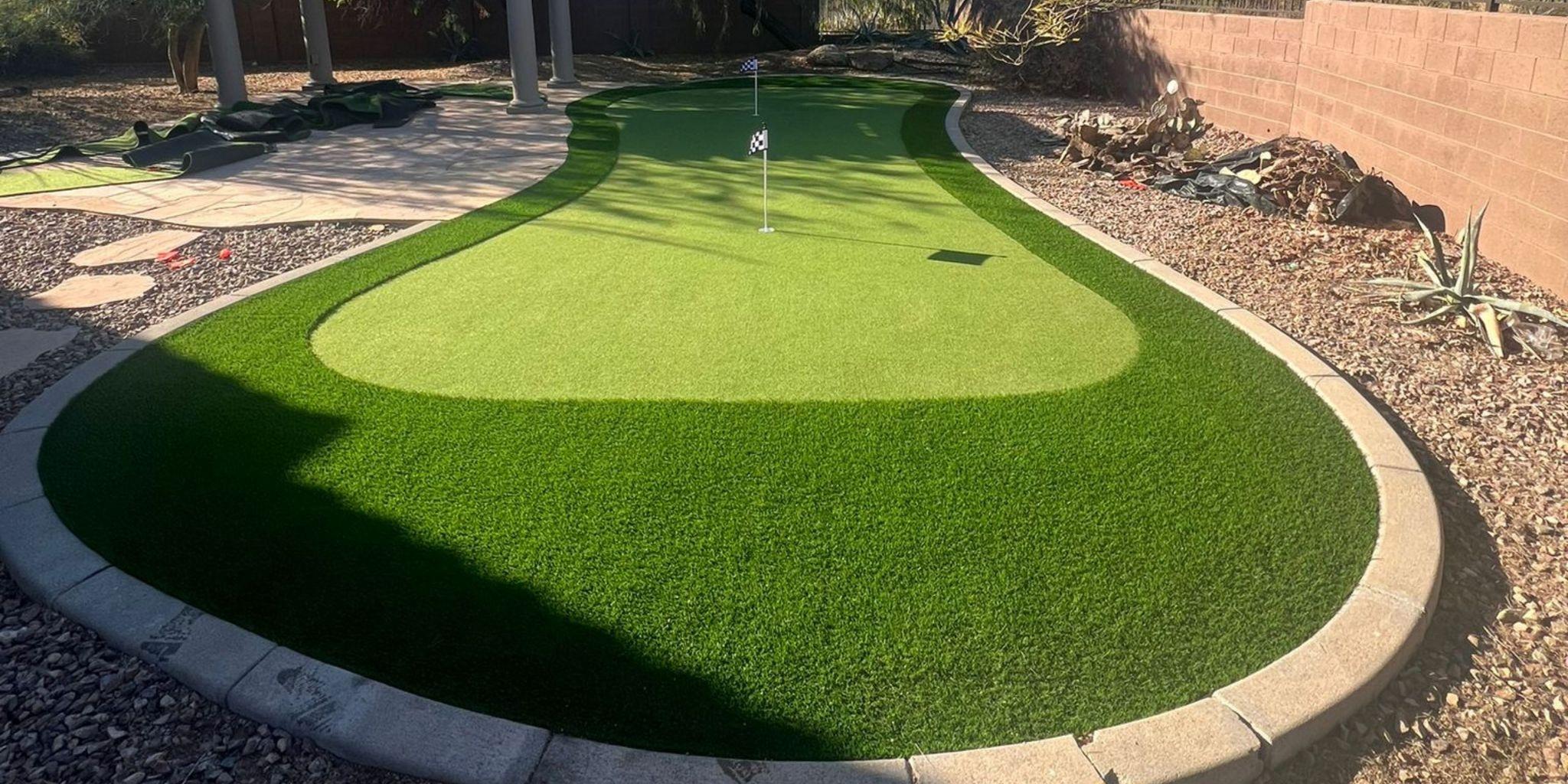
Turf is low maintenance, not zero maintenance. A little upkeep here and there keeps it looking close to brand new for years.
- Hose it down monthly to clear out dust.
- Give it a quick brush so the blades don’t flatten.
- Clean up pet waste right away, not later.
- Book a synthetic grass cleaning service about twice a year.
- Don’t leave heavy furniture sitting in one spot too long.
- Keep flames and sharp tools off the surface.
- Rake the infill back into place after big storms.
Bottom Line
Nobody actually enjoys fighting with a dying lawn every July. Once the prep work is done right and good materials go down, that constant upkeep just goes away, and what’s left is a yard people actually want to hang out in. There’s an old saying among landscapers worth repeating here: the lawn should serve you, not the other way around.
If your yard has been more headache than highlight lately, a properly planned artificial grass installation phoenix AZ might be exactly the fix you’ve been putting off. Contact Synthetic Grass Masters and get your free design consultation and quote!
FAQ Section
Q1. Is artificial turf safe for kids and pets daily?
Yes, good quality turf holds up fine to everyday family and pet use.
Q2. Does artificial grass get too hot to walk on?
It can warm up in direct sun, much like a deck or patio would.
Q3. How often does turf need professional cleaning?
Roughly twice a year keeps most lawns smelling fresh and clean.
Q4. Can artificial turf handle Arizona monsoon rains?
Yes, a well-graded base drains rain quickly without leaving puddles.
Q5. How long does quality artificial turf typically last?
Most well-installed turf holds up for fifteen to twenty years.


 602-384-7746
