

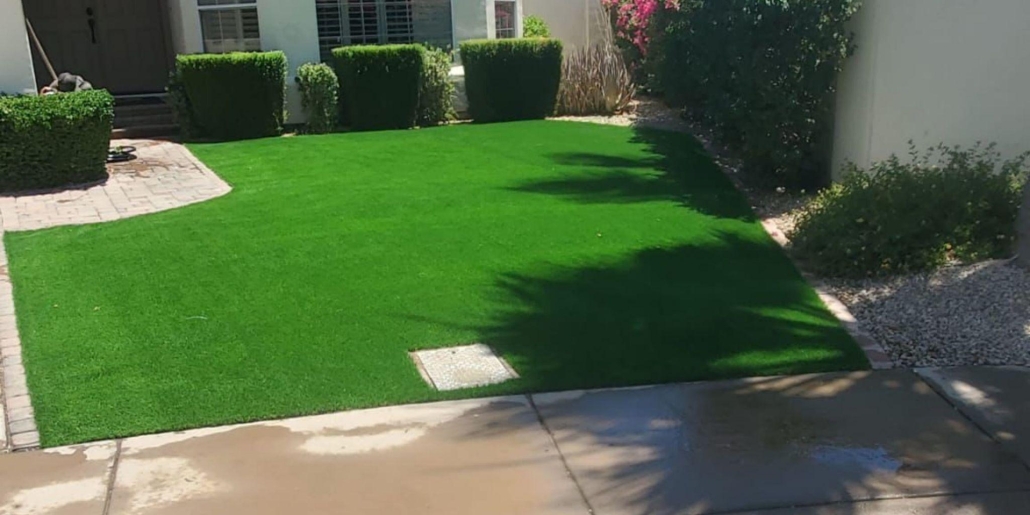
Artificial Grass Arizona: What Affects Turf Lifespan and Performance?
Good artificial grass Arizona lawns last 15 to 20 years. Bad ones fade, flatten, or smell within a few summers. The difference usually comes down to three things: the product, the installer, and how it’s cared for afterward. Arizona is not an easy place for turf. Between the blazing sun, triple-digit heat, and monsoon storms that show up out of nowhere, a lawn either holds up or it doesn’t. Synthetic Grass Masters has watched enough installs, both good and bad, to know exactly what separates the two.
In this post, we’ll break down what really affects turf lifespan, what to look for before you buy, and how to keep a lawn looking sharp long after installation day.
How Long Does Artificial Grass Last in Arizona?
Most synthetic grass in Arizona sticks around for 15 to 20 years. That range moves depending on fiber quality, how much sun the lawn gets, foot traffic, and honestly, how often anyone bothers to clean it.
8 Key Factors That Affect Artificial Grass Lifespan and Performance
Turf doesn’t wear out randomly. A few specific things drive how long it lasts and how good it looks along the way.
UV Exposure and Sun Resistance:
Our sun doesn’t take breaks, and turf without UV-stabilized fibers fades and breaks down much faster than the good stuff.
Arizona Heat and Turf Quality:
Surface heat changes how flexible the fibers stay, so heat-resistant yarn matters a lot for synthetic turf installation in Arizona projects.
Turf Fibre and Material Quality:
Better polyethylene fibres keep their color and shape far longer than cheap material baking in constant sun.
Turf Density, Face Weight and Pile Height:
Turf with solid density and face weight bounces back after use instead of staying flat.
Installation Quality and Base Preparation:
A base that’s compacted right the first time is what keeps a lawn from shifting or wrinkling years later.
Does artificial grass need a base in Arizona?
Yes, a properly compacted base isn’t optional here. It handles drainage and stability, which matters a lot given how our soil behaves.
Drainage and Arizona Monsoon Conditions:
When monsoon season hits, permeable backing and correct grading are the difference between a healthy lawn and a soggy mess.
Foot Traffic, Children and Pets:
Busy areas get compressed more, so fiber resilience and density carry more weight there.
Maintenance and Cleaning:
Brushing, rinsing, and the occasional professional artificial turf cleaning service visit keep fibers standing tall and looking fresh.
Does Arizona’s Climate Shorten Artificial Grass Lifespan?
It can, but only with cheaper turf. Quality synthetic grass Arizona is built to handle these six local realities without much trouble:
Intense Sun – Year-round UV rays slowly wear down unprotected fibers.
- Extreme Heat – Summer temperatures can soften or warp weaker yarn.
- Low Humidity – Dry desert air adds static and makes some fibers brittle.
- Monsoon Rain – Sudden heavy storms test drainage systems and backing.
- Dust and Debris – Blowing dust settles into fibers and needs regular rinsing.
- Temperature Swings – Hot days and cool nights stress seams over time.
How to Choose Artificial Grass for Arizona’s Climate
Get this part right and everything else gets easier. Here’s what to check before buying.
- Strong UV resistance
- Appropriate heat performance
- Durable yarn/fibres
- Suitable density and face weight
- Reliable backing
- Effective drainage
- Warranty coverage
- Manufacturer specifications
- Suitability for pets or high traffic if required
Artificial Grass for Different Arizona Applications
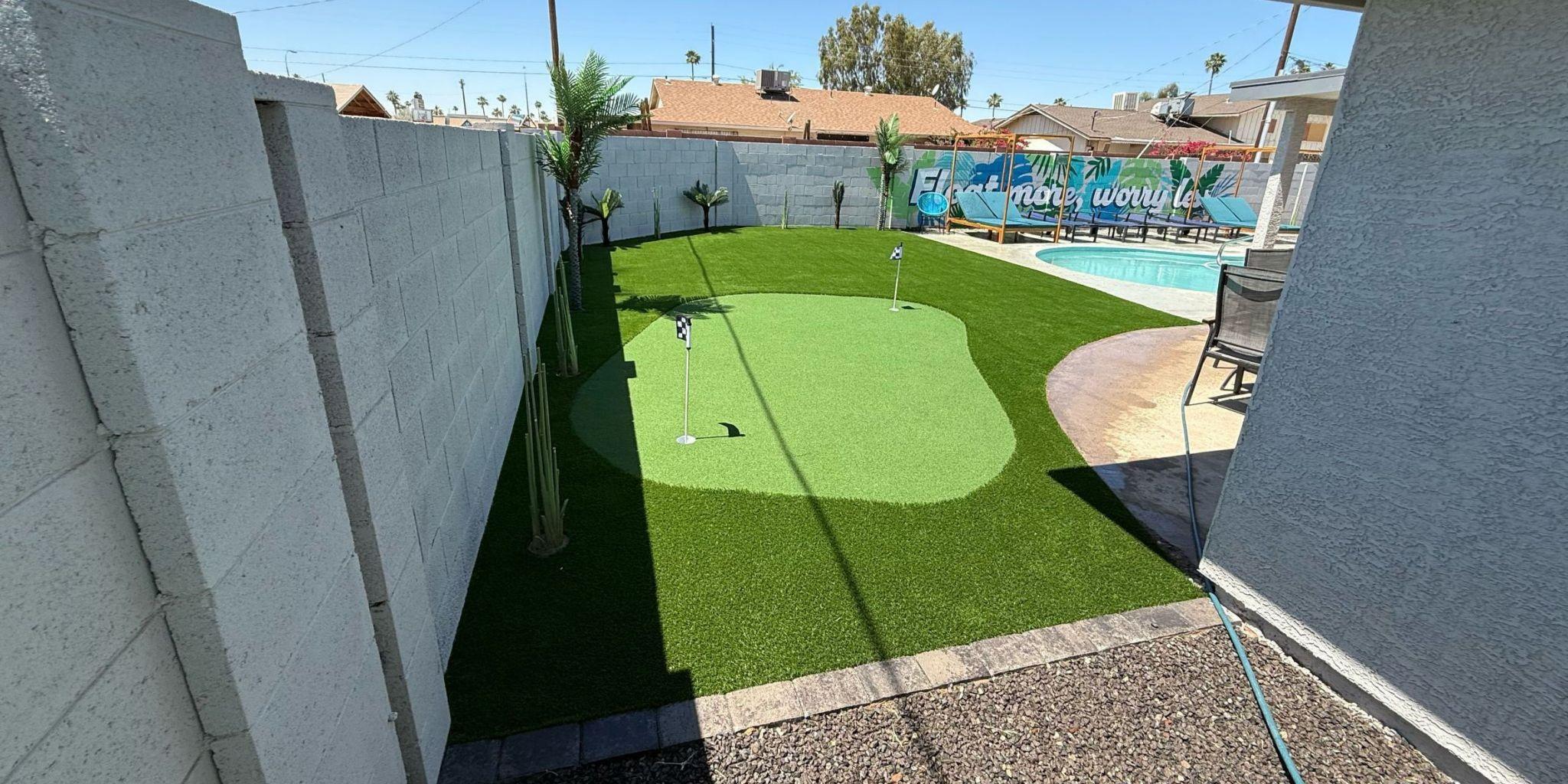
Not every lawn does the same job, so the turf shouldn’t either. A backyard for lounging needs different things than a play area full of running kids or a pool deck soaking up chlorine and sun all day. Here’s how needs shift by space.
Residential Lawns:
Most homeowners want a natural look, soft feel, and something that survives everyday family life outside.
Pet Areas:
Pet turf usually comes with better drainage and antimicrobial backing, which makes cleanup and odor control way simpler.
Pool Surrounds:
Turf around a pool needs strong drainage plus materials that shrug off chlorine and constant sun.
Play Areas:
For playgrounds,playground turf installers Arizona families trust use cushioned padding systems built to meet fall-safety standards.
Commercial Landscaping:
Businesses want turf that stays low-maintenance and still looks polished under heavy foot traffic.
Artificial Grass vs Natural Grass in Arizona
Put them side by side, and it’s easy to see why so many Arizona yards have already made the switch.
| Factor | Artificial Grass | Natural Grass |
|---|---|---|
| Water Usage | Needs no irrigation | Requires frequent watering in desert heat |
| Appearance | Stays green all year | Fades or browns under extreme heat |
| Maintenance | Barely any upkeep | Regular mowing, fertilizing, weeding |
| Durability | Handles heavy foot traffic | Wears into bare patches |
| Cost Over Time | Higher upfront, cheaper long-term | Lower upfront, pricier long-term |
| Allergens | Cuts down pollen exposure | Can trigger seasonal allergies |
Artificial Grass Maintenance in Arizona: How to Extend Its Life
None of this takes much effort, but staying consistent is what actually pays off. Skip it for a season or two and dust, pet mess, and matted fibers pile up fast, and by then you’re looking at a bigger job than a quick rinse. A few habits worth keeping up with:
- Rinse turf regularly to clear out dust and debris.
- Brush fibers now and then to stop matting in busy spots.
- Book a professional cleaning to handle odors and bacteria.
- Clean up pet waste quickly to protect the backing.
- Check drainage points before monsoon season rolls in.
- Keep open flames and hot equipment off the turf.
How to Evaluate an Artificial Grass Installer in Arizona
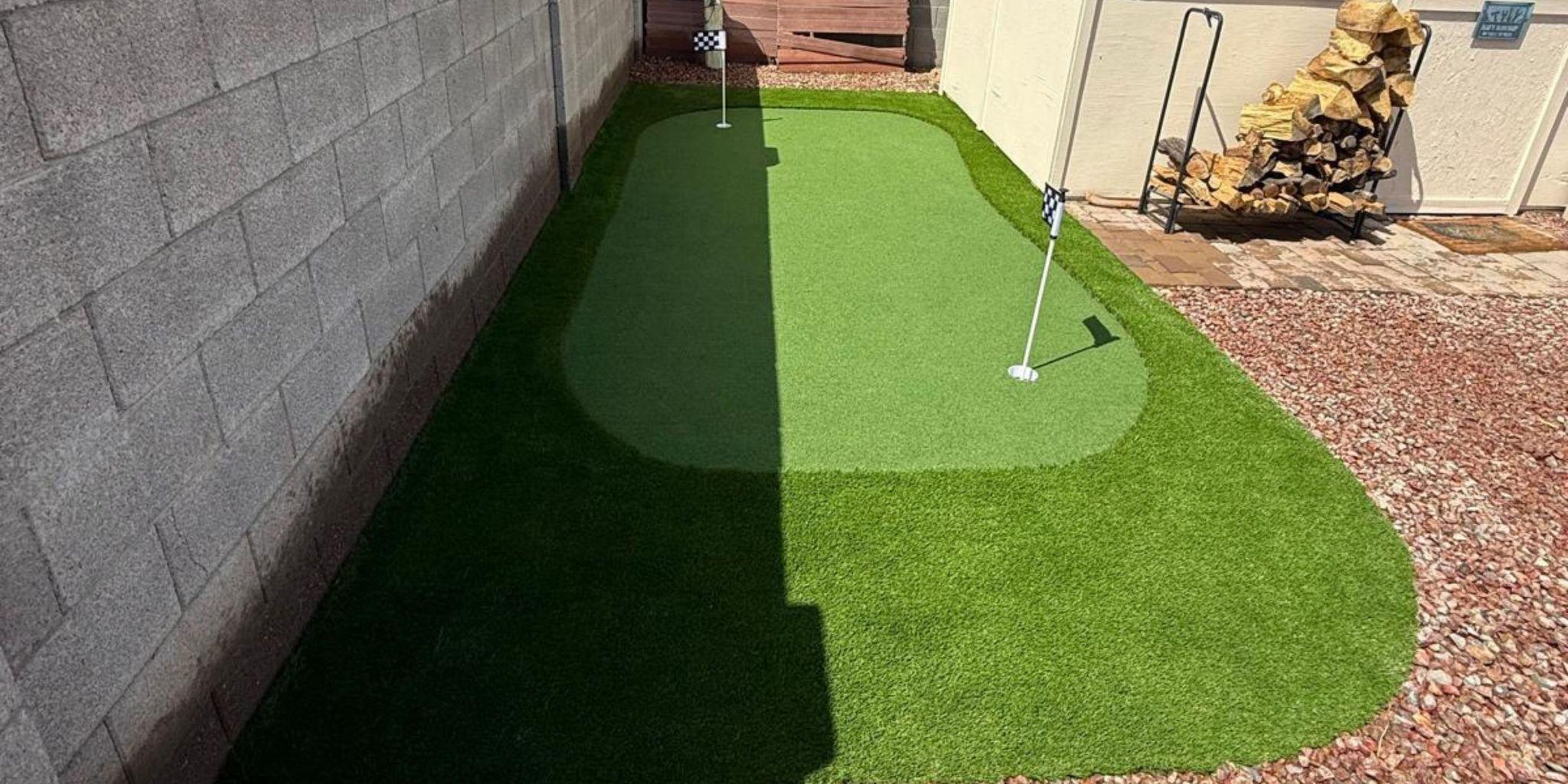
A solid installer carries proper licensing, backs their work with real manufacturer warranties, and can point to actual finished projects and reviews for synthetic turf installation services in Arizona It also helps to ask how they handle base prep and drainage planning, since the install often matters just as much as the turf itself.
A great product on a poorly built base will still shift, wrinkle, and drain badly, no matter what the label says. This is exactly where Synthetic Grass Masters has built its name, working as a licensed, bonded, and insured team that plans every project around Arizona’s soil and climate instead of using a one-size-fits-all approach.
Wrapping up:
At the end of the day, a lawn’s lifespan comes down to three things working together: the material, the install, and the care that follows after. Once you know what actually drives performance, picking the right artificial grass in Arizona and installer gets a lot less confusing.
Whether you’re planning a new lawn or trying to get more life out of an existing one, Synthetic Grass Masters is always ready to help. Reach out for a free design consultation and quote, and let’s figure out what will actually work for your yard.Contact us now!
FAQ Section
Q1. How long does artificial grass last in Arizona?
With decent installation and regular care, most quality turf lasts 15 to 20 years, even under the desert sun. If you want to know fully click here.Click here to learn more about artificial grass lifespan in Arizona.
Q2. Does artificial turf get hot in Arizona summers?
It can on a sunny day, but heat-reflective fibers and the right infill bring that surface temperature down noticeably.
Q3. How often should artificial turf be cleaned in Arizona?
Twice a year works as a baseline, though homes with pets or lots of traffic may need cleanings more often.
Q4. Does artificial grass need drainage in Arizona?
Yes, solid drainage is a must here, especially for handling sudden monsoon downpours without pooling water.
Q5. Is artificial grass safe for pets and children?
Absolutely. Quality synthetic turf is non-toxic, soft underfoot, and built to handle daily play without issue.


 602-384-7746
