

How Extreme Heat Affects Artificial Grass in Arizona (And How to Prevent Damage)?
A lot of people assume artificial grass in Arizona is basically indestructible. Set it and forget it, right? Well – mostly yes. But Arizona summers aren’t like anywhere else. But then the big question hits: Does it hold up when it’s 115°F outside?
Here’s the thing: quality turf handles the heat just fine. But if you don’t know what to watch for- or if someone cut corners on the install- heat can quietly cause damage that shows up months later. In this blog post, we’ve covered how extreme heat affects artificial grass in Arizona and how to prevent damage. Read on to know.
Why Arizona Heat Is Tough on Artificial Grass?
Arizona summers are no joke. Clear skies, zero humidity, and weeks of temperatures over 10°F mean the sun beats down hard. Real grass cools itself by sweating out water, but synthetic grass can’t do that. The plastic blades and backing soak up the sun’s energy like a sponge.
On a typical Phoenix summer afternoon, the surface of the turf can climb well past 150°F when the air is “only” 108°F. That’s hot enough to make bare feet or dog paws uncomfortable. But here’s the good news: heat-resistant turf in Arizona is built smarter. It uses special yarns that reflect more sunlight instead of absorbing it, so it doesn’t get quite as toasty.
Common Heat-Related Problems with Artificial Grass in Arizona
Most people notice a few things when the heat really kicks in:
- The grass feels too hot to walk on during the middle of the day
- Blades can get stiffer over many years of constant baking
- Some cheaper turf starts to look faded after a few brutal summers
- Pet odors hang around longer when everything is warm and dry
- Infill sometimes shifts or packs down, making the surface feel less soft
These issues don’t ruin good turf overnight, but they can make your yard less fun if you ignore them.
Did you know?
Artificial grass often cools down faster than concrete or pavers once the sun goes down or shade hits it. That quick cool-off is one reason many Arizona families still love it.
How Extreme Heat Affects Artificial Grass in Arizona?
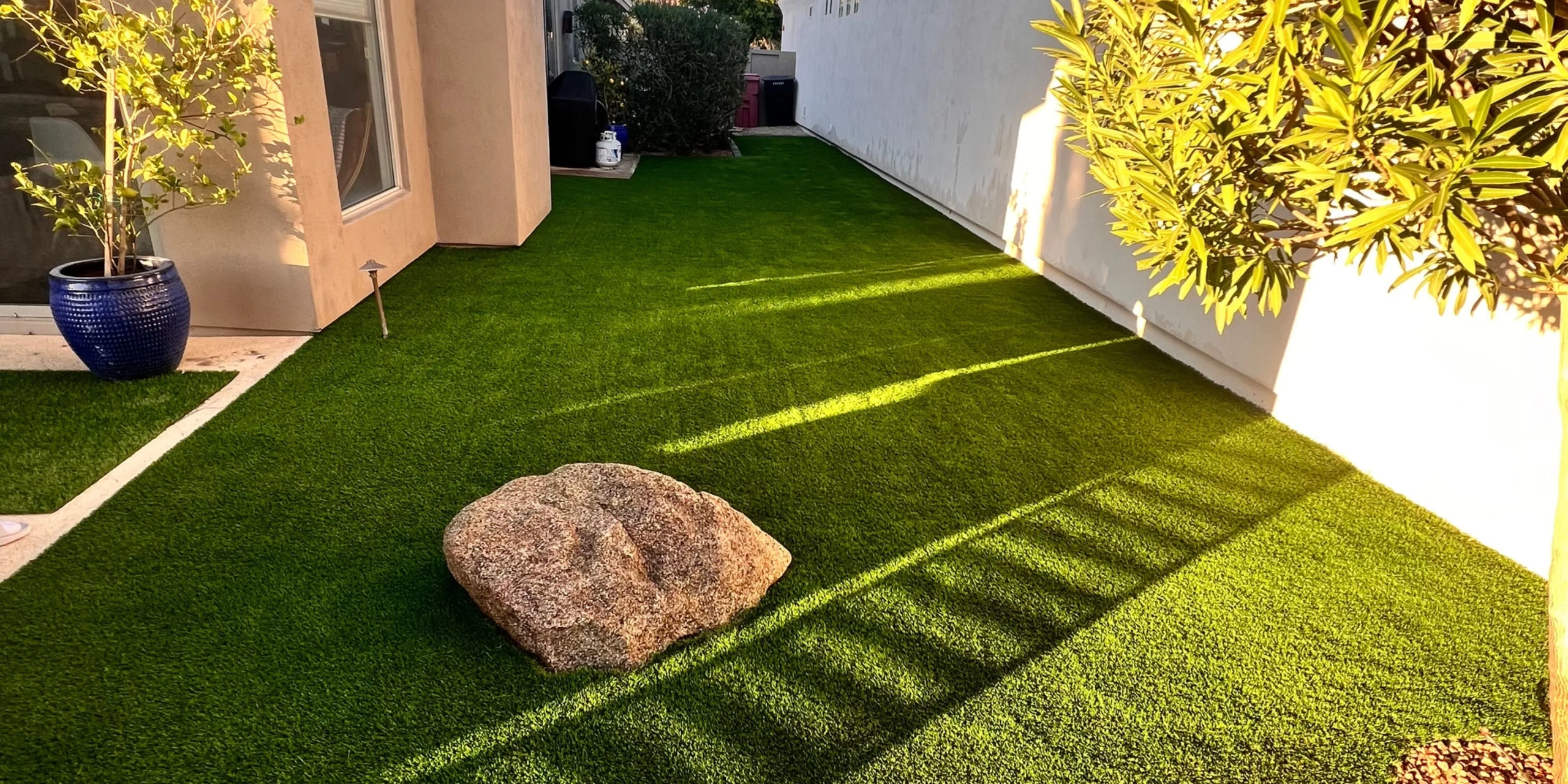
Here’s how extreme heat affects artificial grass in Arizona:
- Surface gets really hot – Without water evaporating from the blades, the turf soaks up direct sun and the temperature spikes. In full Arizona sun, 150°F+ on the surface is common.
- UV rays break things down slowly – Our intense sunlight attacks the plastic over time. Good synthetic grass Arizona has strong UV protection built in, but cheaper stuff fades and gets brittle faster.
- Infill holds onto heat – Dark rubber infill gets especially warm and can make the whole lawn feel hotter.
- Blades flatten out – Heavy foot traffic plus heat can make the grass lay down, which traps even more warmth.
The main point? Heat doesn’t destroy quality turf quickly, but it does test it every single day here in the desert.
How to Prevent Heat Damage to Artificial Grass in Arizona?
You don’t have to just live with a hot lawn. Here are practical things that actually work:
- Start with the right turf – Choose heat-resistant turf in Arizona that has reflective yarns and solid UV protection. It makes a noticeable difference right from day one.
- Pick smarter infill – Skip heavy dark rubber when possible. Lighter options like silica sand or special cooling granules reflect sunlight better and help the lawn stay cooler.
- Add some shade – Put up a shade sail, pergola, or plant a few drought-friendly trees. Even partial shade during the hottest hours drops the surface temperature a lot.
- Give it a quick rinse – A light spray with the hose in the late afternoon works wonders. The water evaporates fast in our dry air and pulls heat away with it. Your kids and dogs will thank you.
- Brush it regularly – Use a broom or leaf blower to keep the blades standing up straight. Flat grass holds more heat.
- Get professional help when needed – A good synthetic grass cleaning service can deep clean, remove built-up dust and pet waste, and make the whole lawn feel fresh again.
Do these things and your turf stays comfortable and good-looking much longer. To learn more about how to keep it cool in extreme heat, click here.
Mistakes to Avoid When Installing Artificial Grass in Extreme Heat
Some simple mistakes make heat problems way worse. Watch out for these:
- Buying the cheapest turf without checking heat resistance
- Using only dark, heavy rubber infill that traps warmth
- Skipping a proper base with good drainage during installation
- Placing the lawn right next to big windows or light-colored walls that bounce extra heat onto it
- Forgetting to plan any shade for play areas
- Never brushing or rinsing the grass after installation
A little planning upfront saves a lot of headaches later.
Why Choose Synthetic Grass Masters?
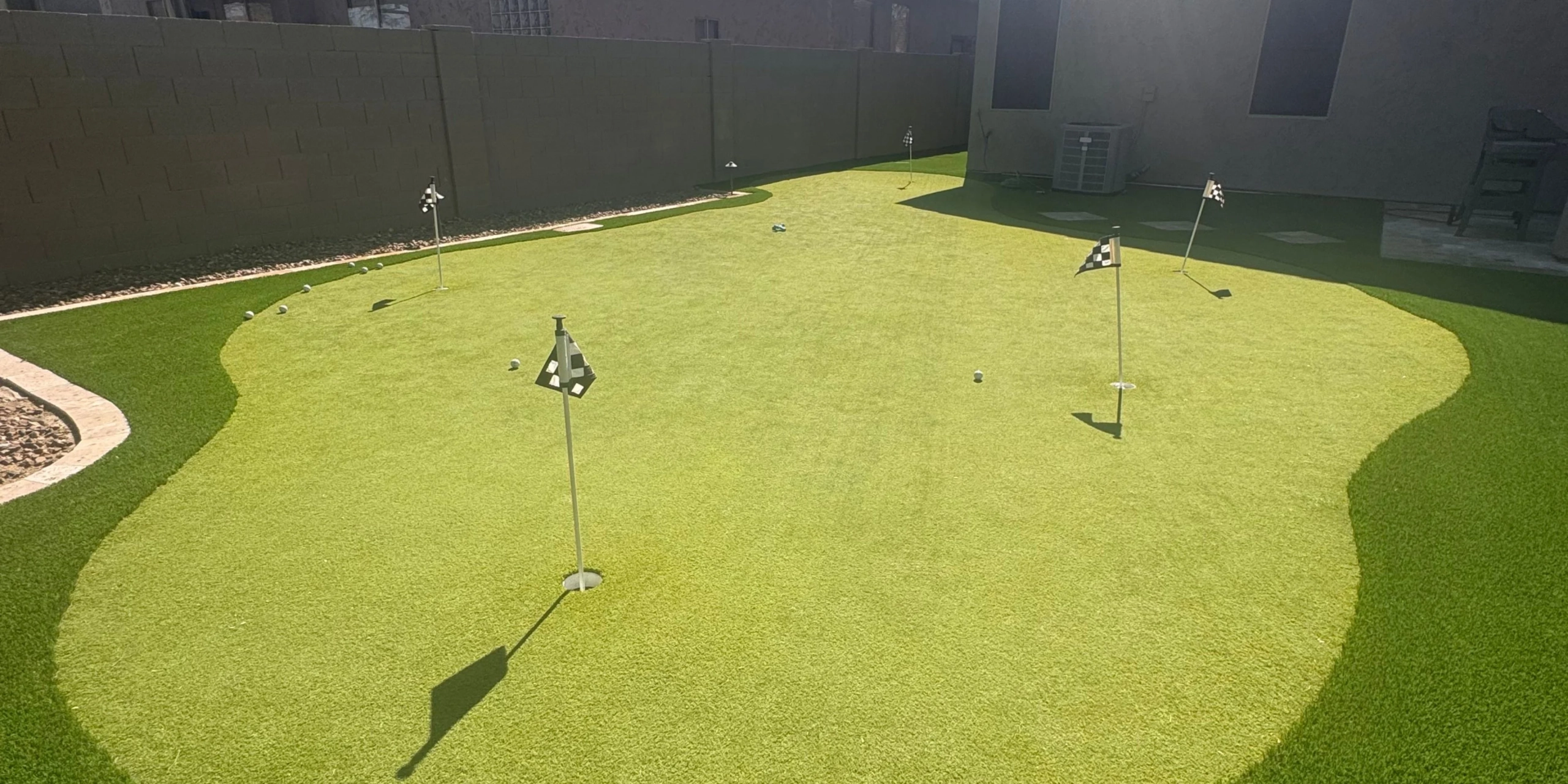
When you live in Arizona, you want someone who actually understands this crazy heat. Synthetic Grass Masters are Arizona’s trusted turf installers. Our licensed team helps folks across Phoenix, Scottsdale, and surrounding areas create beautiful outdoor spaces with premium synthetic grass, putting greens, and pavers.
Our projects start at competitive prices – just $4.99 per square foot – and focus on quality materials that handle our scorching summers. Families love how safe and low-maintenance it is for kids and pets. If you’re ready for a green yard without the constant watering and mowing battle, reach out to us now. We know how to get it right for Arizona living. contact us today and let’s transform your outdoor space the right way for Arizona living.
Bottom Line
Extreme heat does affect artificial grass in Arizona, but it doesn’t have to be a deal-breaker. Pick heat-resistant turf in Arizona, install it properly, and take care of it with simple habits like occasional rinsing and brushing. You’ll end up with a yard that stays green, saves water, and gives you back your weekends.
Don’t let the desert sun win. A smart synthetic grass setup can give you a cool, comfortable outdoor space you actually enjoy using – even when it’s blazing hot outside.
FAQs
Q. Does artificial grass get too hot to use in Arizona summers?
A. It can get very warm – surface temps often hit 150°F on peak days. But a quick rinse brings it down fast. Cooling infill also helps a lot if you want the surface to stay manageable all day.
Q. What’s the best type of artificial grass for Arizona’s heat?
A. Polyethylene fibers with UV inhibitors built in. Avoid polypropylene for any full-sun area. Premium heat-resistant turf in Arizona products are rated specifically for sustained desert heat.
Q. Can window glare really melt my turf?
A. Yes – and it’s more common than people think. Low-E windows in newer homes can focus reflected light into a concentrated beam that scorches a section of turf. Anti-reflective window film or an awning fixes it.
Q. How often does synthetic grass need professional cleaning in Arizona?
A. Once or twice a year for most yards. Pet households should aim for every 3–6 months. A professional synthetic grass cleaning service does what regular rinsing can’t -deep cleaning, odor treatment, and infill restoration.
Q. Is synthetic grass in Arizona worth it despite the heat?
A. Absolutely. Natural grass struggles to survive here and uses enormous amounts of water trying. Quality synthetic grass Arizona installations save water, eliminate maintenance headaches, and look great year-round – summer included.


 602-384-7746
