

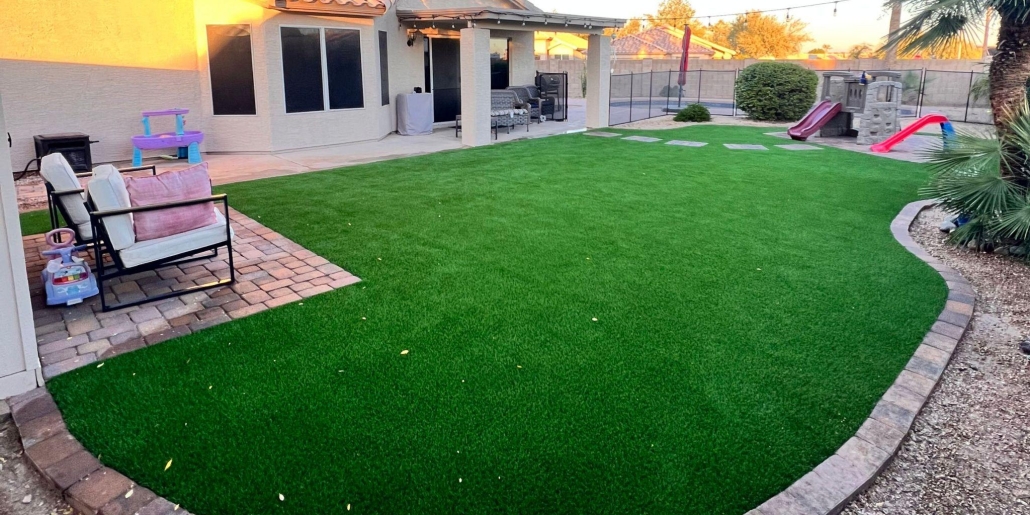
Pet-Friendly Artificial Grass Installation in Scottsdale, AZ: What Pet Owners Should Look For!
If you live in Scottsdale and own a pet, you already know the landscaping struggle. The sun torches real grass into a brown, patchy mess. Your dog/cat digs holes looking for a cool spot. And every walk back inside means wiping down muddy paws or brushing off dead grass clippings from the couch.
So here’s the honest question: is artificial turf actually good for dogs, or is that just a sales pitch?
Short answer – when it’s installed the right way, yes. The wrong way? It can turn into a smelly, hot, uncomfortable mess for your pup. That’s the whole difference. In this blog post, we’ve covered what actually matters when you’re picking pet-friendly artificial grass for your Scottsdale backyard. Read on to learn more.
Why Scottsdale Pet Owners Are Choosing Artificial Grass?
Real talk – keeping a lawn alive in Scottsdale is hard enough without a dog. The heat kills grass. Water restrictions make it worse. And your pet digs a hole and drags mud inside after a monsoon, and your lawn doesn’t stand a chance. This is why so many pet owners are switching over to synthetic grass in Arizona. Turf does not go brown in the summer, needs little to no irrigation, and remains green despite daily usage by a dog. Here it’s not the looks that count. It’s about a yard that has finally become a yard that performs every day, come rain or no rain.
What Pet Owners Should Look for in a Pet-Friendly Turf?
Most people assume turf is turf. It’s not. If you’ve got a pet, a few small details make the difference between a yard that stays fresh and one that smells bad by week two. Here’s what to actually check before hiring anyone for artificial grass installation in Scottsdale, AZ.
Real Drainage, Not Just a Nice Base
Dogs pee a lot, and that liquid has to go somewhere. If it doesn’t drain, it sits there and starts to smell fast.
- Ask what the base is made of (crushed granite works well)
- Check if there’s a drainage layer built specifically for pet urine
- Make sure the yard has a slight slope so liquid flows away, not toward your house
If the installer can’t explain this clearly, that’s a warning sign.
Turf Backing That Won’t Hold onto Smell
Cheap turf backing traps bacteria. Good backing lets everything flow through instead of sitting there.
- Ask for backing made specifically for pets, not standard landscaping turf
- Skip anything marketed only for putting greens or general lawns
- Ask to feel a sample before you commit to anything
Infill That Fights Odor
The infill is what sits between the blades of grass, and it plays a bigger role than most people realize.
- Zeolite infill absorbs ammonia smell naturally
- Silica sand is common too, but doesn’t fight odor as well on its own
- Some companies offer antimicrobial infill built to stop bacteria before it starts
Ask which one they’d recommend specifically because you have a dog.
The Right Pile Height
Longer grass isn’t always better for pets.
- Shorter blades (around 1 to 1.5 inches) are easier to clean and hide waste less
- Denser turf holds up better to running and digging
- Softer blades feel nicer on paws but wear down quicker under heavy use
Heat Resistance
Arizona sun turns turf into a hot plate if you’re not careful.
- Ask about cooling infill made to lower surface heat
- Lighter turf tones reflect heat better than dark, solid green
- A shaded patch nearby gives your dog somewhere to cool off during peak heat
A Warranty That Actually Covers Pets
A solid company backs up their work, especially with dogs in the picture.
- Get a written warranty that covers pet wear, not just general fading
- Ask if they offer maintenance or cleanup after install
- Check if artificial grass cleaning specialists are available for deep cleans down the road
Common Mistakes Pet Owners Should Avoid
Even well-meaning homeowners slip up here. Some of the most common mistakes to avoid when selecting synthetic grass in Arizona:
- Picking turf based on looks alone- Pretty grass with no drainage or pet-safe infill smells within weeks.
- Skipping proper base prep – A rushed base leads to soggy spots and shifting turf.
- Ignoring cleaning products – Enzyme cleaners and odor sprays keep bacteria from building up in the heat.
- Not checking the seams – Loose edges invite digging and chewing.
- Forgetting multiple dogs change everything – More dogs mean more waste and wear, so the setup needs to be tougher.
- Assuming every installer knows pet turf – Many companies are great with landscaping but haven’t specialized in pet setups. Ask directly.
Key Takeaways
- Choose artificial grass with fast drainage to prevent pet urine and water from collecting.
- Select non-toxic turf, infill, and adhesives that are safe for pets.
- Look for durable fibres and secure edges that can handle running, digging, and rough play.
- Add shade or cooling features to keep the turf safer during Scottsdale’s hot summers.
- Use odour-resistant infill and pet-safe cleaners to keep the lawn fresh.
- Hire an installer experienced in pet turf drainage, sanitation, and Scottsdale conditions.
- Clean and rinse high-use pet areas regularly to maintain hygiene and appearance
Why Professional Pet Turf Installation Matters?
Here’s why professional pet turf installation matters:
- They understand Arizona soil. Desert soil drains differently, and pros grade it to handle urine and rare heavy rain.
- They use tested materials. Real synthetic turf installation Arizona companies use turf and infill built for pets.
- They save you from redoing it later. A bad install usually needs fixing within a year or two.
- They plan around dog behavior. Good installers reinforce the spots where dogs run, dig, or lie down most.
- They stick around after install. Legit synthetic turf installation services in Arizona give you cleaning tips and a warranty you can actually use.
Why Do Synthetic Grass Masters Stand Out?
There’s no shortage of artificial grass companies in Scottsdale, and a lot of them do fine work. But when pets are involved, “fine” isn’t really enough. You want a team that actually thinks about the pet side of things, not just how the lawn looks in photos.
That’s the difference with Synthetic Grass Masters. Our crew doesn’t just roll out turf and call it a day. We walk through drainage planning, talk through infill choices that actually matter for odor control, and take the time to explain why certain pile heights or backings work better for pets. Contact us for a free quote and see what a properly planned, pet-friendly yard actually feels like.
Bottom Line
A dog-friendly yard in Scottsdale doesn’t have to mean mud in winter or dead grass in summer. Turf fixes both, but only if it’s installed the right way with your dog actually in mind. Drainage, backing, infill, and heat resistance aren’t small details – they’re the whole reason your yard either smells fresh or turns into a problem by August. Ask the right questions upfront, and you’ll end up with a lawn your dog actually loves using every day. Reach out to Synthetic Grass Masters for more information.
FAQs
Q. Is artificial grass safe for dogs?
A. Yes, as long as it’s made with pet-safe materials and proper drainage underneath.
Q. Does turf get too hot for dog paws in Arizona?
A. It can in direct summer sun, which is why cooling infill and lighter turf colors help a lot.
Q. How do you stop turf from smelling like urine?
A. Good drainage, pet-safe backing, and the right infill together stop most odor before it starts.
Q. How often should pet turf be cleaned?
A. A quick rinse weekly, plus a deeper clean every few months, keeps it fresh.
Q. Can turf handle a dog that digs a lot?
A. Dense turf with a solid base holds up well, much better than natural grass does.
Q. Is artificial grass cheaper than a real lawn long-term?
A. Usually yes, once you factor in water bills, reseeding, and yearly lawn care costs.


 602-384-7746
