

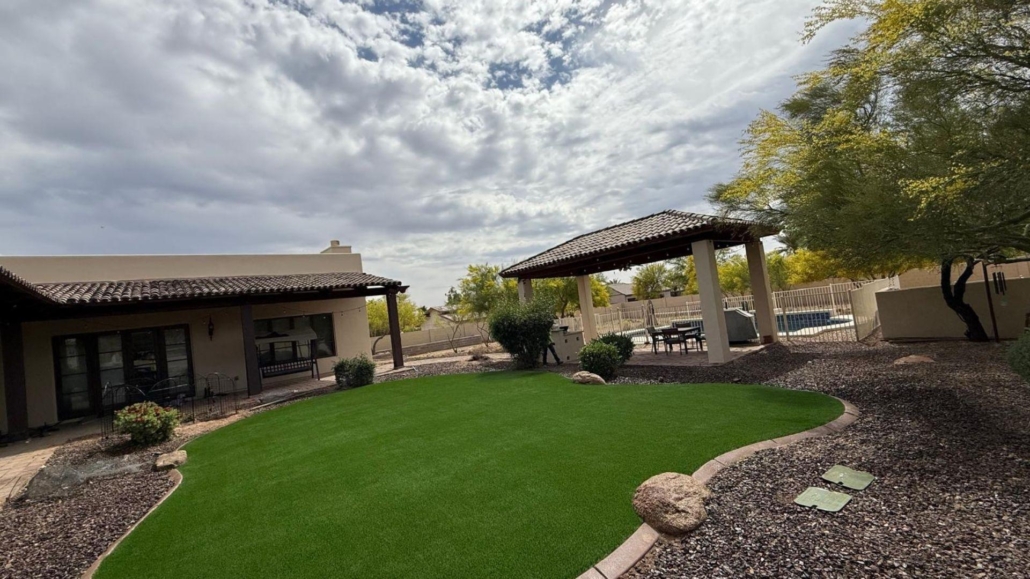
How Installing Artificial Turf Will Significantly Enhance Your Arizona Property’s Value in 2026?
Ever looked at your yard in the middle of a scorching Arizona summer and thought, “Why am I putting so much effort and water into something that will again turn brown?” Well, you’re not alone.
In 2026, with rising water costs and ongoing drought concerns, more homeowners are choosing a smarter way to keep their homes, businesses & properties looking stunning year-round. This is where synthetic turf installation in Arizona comes in. It’s exploding in popularity in 2026 cuz the greenest lawn doesn’t need water to stay green.
In this post, we’ve covered why this upgrade isn’t just a trend; it’s a smart move that can seriously boost your home’s worth. Read on to know.
Why Synthetic Turf Installation Is Booming in Arizona in 2026?
Arizona’s rising temperature, and ongoing water challenges make keeping natural grass tough. Bills keep rising, cities push conservation, and folks are tired of fighting dead spots every summer. In 2026, artificial turf will replace natural grass, making the switch easier and cheaper.
Artificial grass is far superior- it is cooler, more realistic, and it was modeled to take the heat of our scorching sun. It reduces water consumption by a significant margin, maintenance time can be reduced to near zero, and the yard is kept immaculate all year round, which is why homeowners love it. It is also convenient for busy families, pet owners, and people who would just wish to have a beautiful outdoors without the trouble.
How Does Installing Artificial Turf Boost Your Arizona Property’s Value in 2026?

Yes, it really does add value- often quite a bit. Real estate folks in Phoenix and Scottsdale see homes with nice artificial turf sell quicker and for higher prices. Reports from Arizona companies and studies suggest an average boost of around 7% in property value, with some saying up to 15% when the landscaping looks pro and fits the desert vibe perfectly. Buyers here love low-maintenance, water-smart yards because they mean lower costs and less work.
Here’s how it adds up:
Better First Impressions (Curb Appeal)-
Nothing grabs attention like a clean, green yard that never fades. In our climate, natural grass struggles, but turf stays lush. It makes your home look well-cared-for and inviting right from the street.
Big Savings on Water and Bills-
A regular lawn can use tens of thousands of gallons a year. Turf cuts that to almost nothing-savings of 50-70% on water bills, or even more in hot months. Buyers notice this and see it as a future money-saver, which pushes up offers.
Less Work Means Happier Owners-
Skip the mowing, fertilizing, weeding, and repairs. Over time, this saves hundreds (or thousands) in costs. Buyers think, “This place will be easy to own,” and that makes your home more appealing.
Quick Sales and Solid Return-
Homes with good turf often move faster in our market. The upfront cost usually pays back through higher sale prices and years of savings-many folks see the investment return in 5-7 years or less.
Factors That Increase Your Property’s Value the Most
To get the biggest bump, it has to be done right. Here’s what matters most:
- Professional Installation- A good install means flat seams, solid drainage (key for monsoon rains), and no wrinkles. Pros handle the base prep so everything lasts and looks sharp. Bad work shows and hurts value.
- High-Quality Turf Products – Go for realistic blades, good backing, and cooling infills. These stay softer in heat, look natural, and come with 10-15 year warranties (like what top Arizona installers offer). Cheap stuff fades or flattens fast.
- Strategic Placement (Front Yard, Backyard, Pet Areas, Poolside) – Front yard turf gives an instant wow factor. Backyards turn into usable play or hangout spots. Pet areas with special draining turf keep things clean and odor-free. Poolside? It creates a clean, slip-resistant zone that feels resort-like.
- Integration with Modern Hardscaping– Mix turf with rocks, pavers, desert plants, or gravel for that true Arizona look. It feels thoughtful, low-water, and beautiful-exactly what buyers want in our desert.
Arizona’s Synthetic Turf Installation Trends Homeowners Love

Folks here aren’t just doing basic lawns anymore. Popular choices include:
- Pet-friendly turf that drains fast and handles rough play
- Soft, safe artificial grass for playgrounds Phoenix, put in by playground turf installers in Arizona who know kid-friendly designs.
- Heat-resistant options with cooling features for those 110+ degree days
- Full yard makeovers blending turf with rocks and native plants
- Easy upkeep with professional artificial turf cleaning services to keep it fresh without much effort
These trends match what families and buyers want: fun, safe, green spaces that fit our lifestyle and climate.
Bottom Line
Switching to artificial turf in Arizona is one of those upgrades that feels good today and pays off tomorrow. You get a yard that always looks great, saves water and money, and makes your home more attractive to buyers. In 2026, with water rules tightening and values rising for smart landscapes, it’s a win-win all around.
If you’re thinking about it, talking to experienced folks makes a huge difference. Places like Synthetic Grass Masters know Arizona yards inside out-they handle everything from design to install with quality products and pro care. A quick chat could show you exactly how this fits your space and budget.
FAQs
Q. Does artificial turf really increase home value in Arizona?
A. Yes, it often helps-better looks and lower costs make your home more appealing to buyers.
Q. How much easier is maintenance?
A. Way easier-no mowing, watering, or fertilizing. Just occasional light cleaning.
Q. Is it safe for kids and pets?
A. Definitely-soft, non-toxic, and drains well. Many choose artificial grass for playgrounds Phoenix for extra safety.
Q. Does it get too hot?
A. Newer types have cooling features to stay more comfortable in our summers.
Q. How long will it last?
A. With good install and care (like professional artificial turf cleaning services), 15-20 years is common.


 602-384-7746

