

Commercial Turf Care for High-Traffic Areas: How to Prevent Flattening and Premature Wear
Going with synthetic grass feels like a permanent fix to endless landscaping headaches. The water bills drop, and mowers finally disappear. But here is the ugly truth. Fake grass just isn’t indestructible. Constant foot traffic physically crushes the plastic fibers and kicks out the underlying sand. That is exactly why proactive commercial turf care is the only thing stopping an expensive asset from turning into a flat, matted mess.
Ignoring basic upkeep accelerates this mechanical damage. Busy walkways quickly turn into slick and hard runways that look completely ruined. And tearing out a damaged system costs an absolute fortune. You have to actively fight back against daily wear. This blog covers exactly how fiber matting actually happens, the specific seasonal tricks you need to know, and the exact daily routines to stop premature wear dead in its tracks.
Why Commercial Turf Care Matters for Matting
Let’s look at what actually happens when thousands of shoes stomp on a synthetic surface every single month. It takes a serious beating. The mechanical breakdown is pretty straightforward but tough to reverse if you ignore it for too long. Friction physically kicks the loose sand or rubber infill out of the main walking corridors.
When that infill drops- the plastic blades lose their base support and just fold over. The actual synthetic fibers lose their physical snap after getting crushed under constant weight day after day. Plus, the heavy loads push down the gravel base underneath, and that makes uneven spots where puddles start to form. Good commercial turf care catches these structural issues before the blades actually crease. Because once a plastic fiber gets a hard fold baked into it by the afternoon sun, you can’t just brush it out with a simple broom.
- Friction pushes granular infill away from high traffic zones toward the unused edges.
- The lack of infill removes the vertical brace that keeps fake grass standing up.
- Heavy rolling carts stretch the mesh backing and break the glue seals.
- Constant twisting from shoes causes the yarn fibers to fray at the tips.
High traffic zones need structured habits. You can’t treat a busy outdoor mall like a residential backyard. Cross brushing is the easiest fix. This just means sweeping the fake grass against the way it naturally leans to pull the blades back up. Ditch the metal rakes because they rip the backing open. Use a heavy power broom with stiff plastic bristles instead.
Hit the main walkways and building entrances at least once a week. Switch up your brushing directions so the grass doesn’t get trained to lay flat in one specific way. The sand or rubber bits sitting between the grass blades do all the heavy lifting. Check the depth every month with a simple gauge in the busiest spots.
Did You Know?
Regular foot traffic kicks out up to thirty percent of the infill from busy walkways every year. Replacing it stops the grass fibers from crushing under heavy pedestrian pressure.
Essential Turf Cleaning and Maintenance Practices
Looking good is only half the battle. You have to keep the surface sanitary. Commercial plazas deal with spilled sodas, dropped food and just a ton of urban dust settling in every day. Implementing strict turf cleaning and maintenance stops grime from acting like sandpaper against the plastic blades.
Flush the main walkways with regular water every week. This pushes fine dust and pollution particles down into the hidden drains. Hit food spills fast with an enzyme-based cleaner so it doesn’t get sticky and attract bugs.
- Never use bleach or harsh chemicals because it eats right through the polyurethane glue holding the grass together.
- Pull up dropped chewing gum with a commercial freeze spray so it chips right off without tearing the grass fibers.
- Use a mechanical extractor for really nasty spots to pull out the dirt without blowing all your expensive sand away.
- Address sticky tree sap immediately before it hardens into a rock-solid lump on the grass.
The thing is- dirt buildup actually changes how the grass drains. If you let organic stuff like dead leaves break down on top of the turf, it turns into a thick mud. That mud clogs the drainage holes punched into the bottom of the grass. When it finally rains, you end up with standing water right in the middle of a pedestrian walkway.
The Reality of Artificial Grass Maintenance in AZ
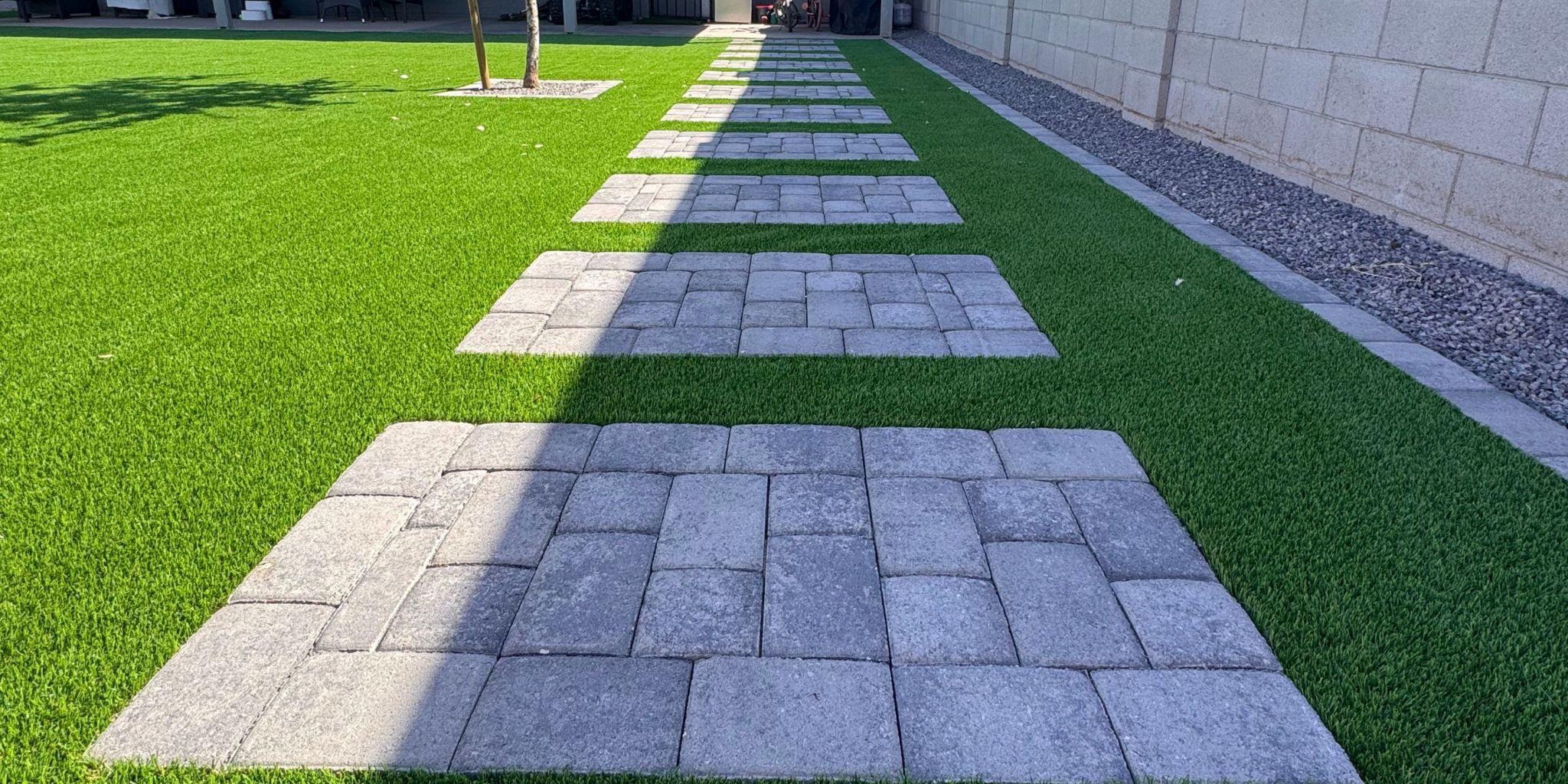
Running a commercial property in the desert is a whole different beast. The summer sun just cooks synthetic surfaces all day long. The plastic gets physically soft from the heat. And when a hundred people walk on soft and hot plastic, it flattens out incredibly fast. That makes artificial grass maintenance in AZ a high-stakes game where you have to actively fight thermal stress.
Provide shelter with shade sails or plant fast growing native trees over the high traffic areas to block off the scorching midday light. At about two in the afternoon, sprinkle water onto the grass. It provides evaporative cooling and lowers the surface temperature dramatically at the time of day when traffic is generally heaviest.
- Look into a specialized cooling infill that absorbs morning dew and lets it evaporate slowly during the hot afternoon.
- Always specify UV-rated plastics that are explicitly built to handle desert environments without fading or getting brittle.
- Keep the ambient temperature down by avoiding dark colored retaining walls right next to the grass.
- Understand that artificial grass maintenance in AZ requires more frequent infill top-offs because the heat makes the fibers more flexible.
Monsoon season brings crazy dust storms across the valley. If you don’t stay on top of artificial grass cleaning in Arizona right after a storm, that airborne dust turns the sand infill into a literal concrete slab. Wash the grass with a massive amount of water right after a dust storm rolls through.
Break up that hard-packed sand using a commercial dethatcher. This tool has flexible tines that loosen the dirt without ripping the mesh base underneath. Check all the perimeter drains to make sure the mud isn’t blocking the water flow.
Step-by-Step Commercial Upkeep Checklist
Don’t guess what needs to be done. Follow a strict routine to keep things alive and looking professional.
- Walk the Property – Check the whole area looking for loose seams, bald spots or places where the edges are curling up.
- Clear the Trash – Blow all the random garbage, loose leaves and paper bags into a corner and bag it up.
- Spot Clean Stains – Spray down any sticky spots, coffee spills or pet stains with a commercial enzyme cleaner and let it sit.
- Aerate the Sand – Run a grooming rake over the really hard-packed areas to loosen up the crushed sand base.
- Drop Fresh Infill – Pour fresh clean sand into the low spots so the grass blades actually have something to lean against.
- Power Sweep Everything – Run the motorized power broom against the grain to stand everything straight up and push the new sand down.
- Final Rinse Down – Give the whole area a quick hose down to lock the new sand into place and wash away the surface dust.
Key Takeaways
- Brushing against the natural grain every week is the easiest way to stop fibers from crushing permanently.
- Keeping the sand levels topped off gives the grass blades the exact structural support they need to stand up.
- Washing away spilled drinks and food right away stops sticky dirt from grinding down the plastic blades.
- Desert heat softens the grass, so you have to cool it down to prevent permanent high-traffic flattening.
- The crushed rock base underneath is honestly just as important as the green grass on top.
Why You Need Expert Commercial Turf Installers
You can do all the brushing in the world, but if the grass was put in wrong from day one, it’s going to fail. That is exactly why hiring real commercial turf installers matters so much for business properties. The dirt base underneath the grass has to be packed incredibly tight with specific layers of crushed rock so it never sinks under weight.
The backing needs to be heavy-duty so it doesn’t rip open when a landscaping cart drives over it. The actual grass blades need to be shaped like a C or a W so they physically bounce back when stepped on.
- The glue and seam tape holding the giant rolls together have to be industrial-grade to survive heavy twisting.
- Edge restraints need to be buried deep so the sides don’t peel up and create a tripping hazard.
- Drainage plans have to account for hundreds of gallons of water hitting the surface all at once.
- Proper commercial turf installers will calculate the exact amount of infill weight needed to keep the entire system grounded.
Here is why the industry is changing how it handles these massive installations. Smart property directors are utilizing artificial turf matting prevention strategies to save thousands in early replacement costs. Sticking to strict commercial synthetic grass maintenance protocols keeps the outdoor areas looking pristine year-round.
Building out real high-traffic fake grass care routines means the main entryways don’t turn into ugly flat green mats. Investing in high-durability artificial turf grooming brings life back to older crushed installations. Demanding commercial-grade synthetic grass installation from the very beginning is the only way to survive heavy commercial foot traffic.
Final Words
Taking care of a massive synthetic lawn isn’t a set it and forget it type of deal. You have to put in the physical work to keep it alive. Proper commercial turf care is the only thing standing between a beautiful green plaza and a matted-down expensive mess. This guide covered exactly how to brush the fibers, how to manage the sand levels, and how to deal with crazy weather spikes. Now it’s time to take actual action.
If your property is starting to look worn out, don’t wait for it to get worse. Reach out to a commercial maintenance expert at Synthetic Grass Masters today to schedule a deep grooming session and get those outdoor spaces looking brand new again.
FAQs About Commercial Turf Care
How often should high-traffic artificial grass be brushed?
You need to brush it weekly. Using a power broom against the grain lifts the crushed fibers and redistributes the sand to prevent permanent ruts from forming.
Why is my artificial grass flattening out?
It happens from heavy foot traffic and losing infill. Without enough sand to support the plastic blades, the constant downward pressure just folds them over flat.
Can you fix matted artificial turf?
Yes, you can fix it. A professional dethatching tool and a power broom can pull the blades back up as long as the plastic hasn’t permanently creased.
Does heat damage fake grass?
Direct heat softens the plastic fibers. When people walk on soft, hot turf, it crushes much faster. Evaporative cooling with water helps stop this thermal damage.
How much sand does fake grass need?
It usually needs about two to three pounds per square foot. This weight holds the backing down and gives the individual blades the support to stand straight.


 602-384-7746