

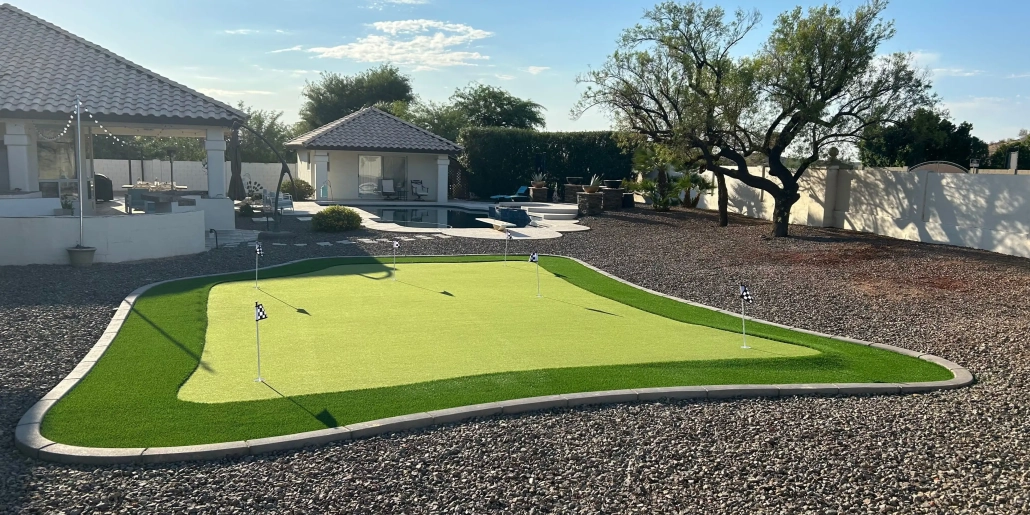
The Complete Guide to Artificial Turf Installation: Everything You Need to Know
More homeowners and business owners are turning to artificial turf installation than ever before- and the reasons aren’t hard to understand. Dead patches, drought restrictions, muddy dog runs, and the weekly grind of mowing have pushed a lot of people toward synthetic grass. It looks good, holds up under pressure, and stops demanding constant attention the moment it goes in.
That said, getting the installation right is where most people stumble. There’s more to it than picking a product and rolling it out. This guide walks through the full process- the artificial turf installation steps that actually matter, how to pick the best artificial grass for backyard use, what separates a good commercial turf installation from a costly one, and why pet-friendly artificial grass isn’t just a marketing term. By the end, the path forward should be a lot clearer.
Why Artificial Turf Installation Pays Off Long-Term?
The upfront number can give people pause. Understandable. But the math tends to shift pretty quickly once the full picture comes into view.
Natural lawns are expensive to maintain- water bills, fertilizer, lawn services and reseeding after dry spells. Synthetic grass eliminates most of that. Here’s what consistent performance actually looks like over time-
- Water savings of up to 55 gallons per square foot annually, which is significant in drought-prone regions
- No mowing, no fertilizing, no seasonal reseeding
- A surface that looks the same in July as it does in November
- A lifespan that routinely hits 15 to 25 years with routine care
- Measurable improvement to curb appeal and property value
What Are the Steps to Install Artificial Turf?
Skipping steps here is where projects go wrong. The surface may look fine at first, then develop soft spots, drainage problems, or seams that start lifting within months. Following the correct artificial turf installation steps from the start prevents all of that.
Step-by-Step Installation Checklist-
- Site Assessment- Measure the area carefully. Check drainage patterns and confirm no underground utilities are in the dig zone.
- Clear Existing Vegetation- Remove all natural grass, roots, and debris. Leaving anything behind creates problems under the surface.
- Excavate- Dig down 3 to 4 inches to create room for the base layers.
- Lay Weed Barrier- A permeable membrane goes in before the base material. This keeps growth from pushing through later.
- Add Crushed Stone Base- Decomposed granite or crushed aggregate gets spread evenly across the excavated area.
- Compact the Base- A plate compactor firms everything up. This step is non-negotiable.
- Grade for Drainage- A 1 to 1.5% slope should be built in so water moves off the surface cleanly.
- Roll Out the Turf- Lay the grass with the blade direction aligned consistently across all sections.
- Cut, Seam, and Secure- Edges get trimmed, seams bonded with adhesive or staples, perimeter nailed in.
- Infill and Brush- Silica sand or crumb rubber goes in last. Brush the fibers upright to finish.
Did You Know?
Poor base compaction is behind most turf failures. Without it, soft spots and uneven drainage develop fast- often within the first few months of regular use.
Choosing the Best Artificial Grass for Backyard Spaces
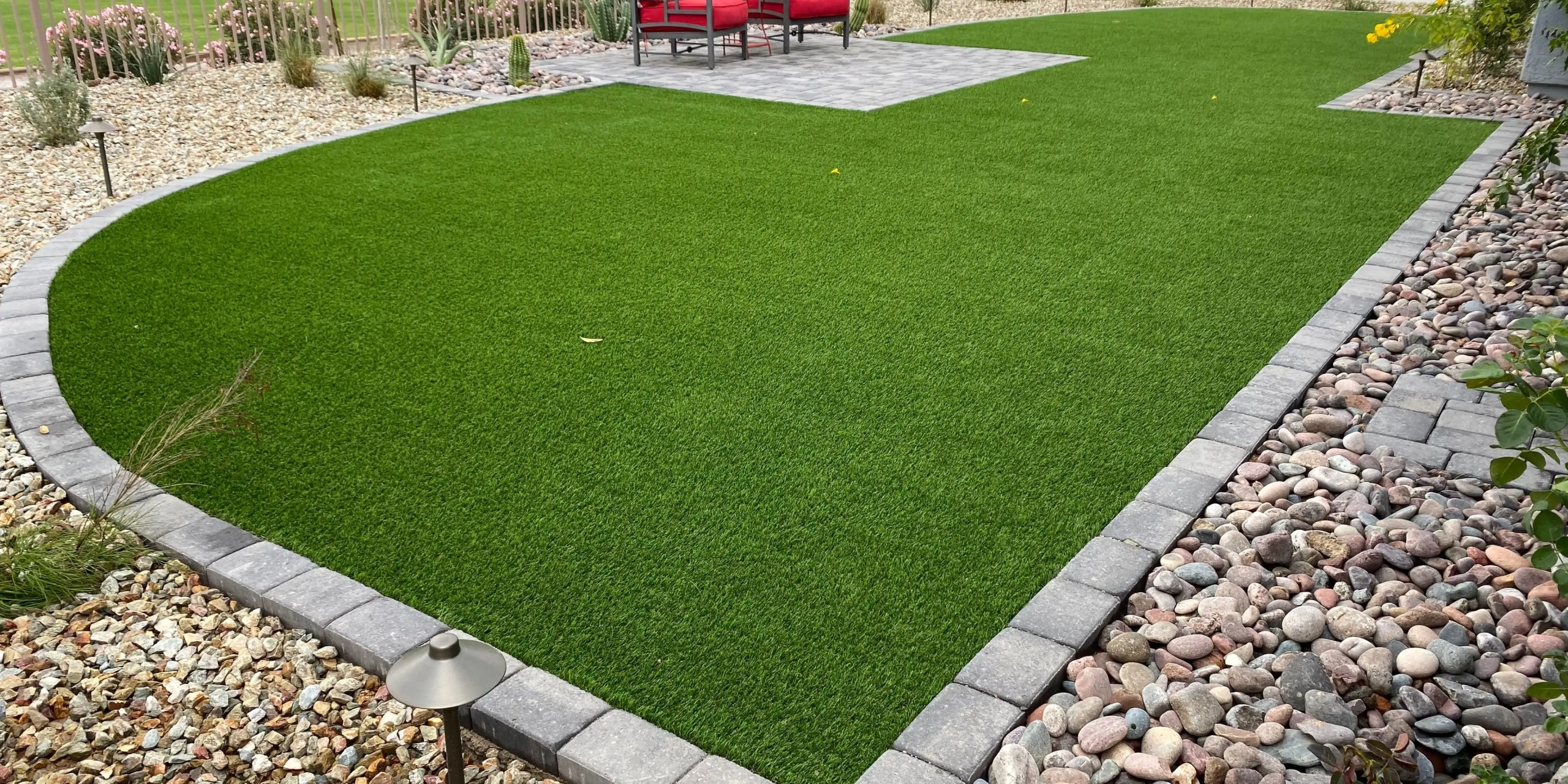
There’s more variation in product quality than what most buyers would expect. The best artificial grass for the backyard isn’t simply one that looks great in a display yard, but one that will stand up in your backyard year after year.
A few specs worth paying close attention to-
- Pile Height- The 30–40mm range hits the sweet spot for a natural, full look without trapping too much debris.
- Face Weight- Aim for 60–80 oz per square yard for genuine density- lighter products show wear faster.
- Blade Shape- W-shaped or C-curved blades spring back well after foot traffic. Flat blades flatten and stay flat.
- Color Variation- Single-tone green looks artificial almost immediately. Multi-tonal blends- mixing green, olive, tan, and brown- hold up visually far better.
- UV Stabilization- Non-negotiable in sun-exposed areas. Always confirm the UV warranty in writing before purchasing.
And don’t underestimate the backing. A quality backing system is what holds everything together over years of use. It’s easy to overlook when focused on the surface appearance, but it matters just as much.
What Makes Commercial Turf Installation a Different Challenge?
Residential and commercial projects share the same basic process. But the margin for error narrows significantly at commercial scale, and the requirements get considerably more demanding.
Commercial turf installation typically involves-
- Heavier-duty turf specs with reinforced backing and higher UV resistance ratings
- Drainage engineering that accounts for enclosed environments, rooftops, or high-volume rainfall
- Custom seaming work- sport lines, corporate logos, branded color layouts
- Multi-day or multi-week project timelines, depending on site complexity
- Local compliance requirements that vary by municipality and intended land use
Cutting corners on a commercial project doesn’t just produce a poor result- it produces a liability. The investment involved demands a certified installer who has managed comparable projects before.
Key Takeaways
- Base compaction is the single most important factor in a durable artificial turf installation- don’t shortchange it
- Backyard turf selection should prioritize face weight, UV stability, and realistic multi-tone coloring over price per square foot
- Commercial projects require certified installers, engineered drainage, and often regulatory sign-off before work begins
- Pet-safe turf needs antimicrobial infill, perforated backing, and verifiable non-toxic certification- not just a label
- Quality synthetic grass delivers 15 to 25 years of reliable performance with minimal ongoing maintenance
Pet-Friendly Artificial Grass: What Every Pet Owner Should Know?
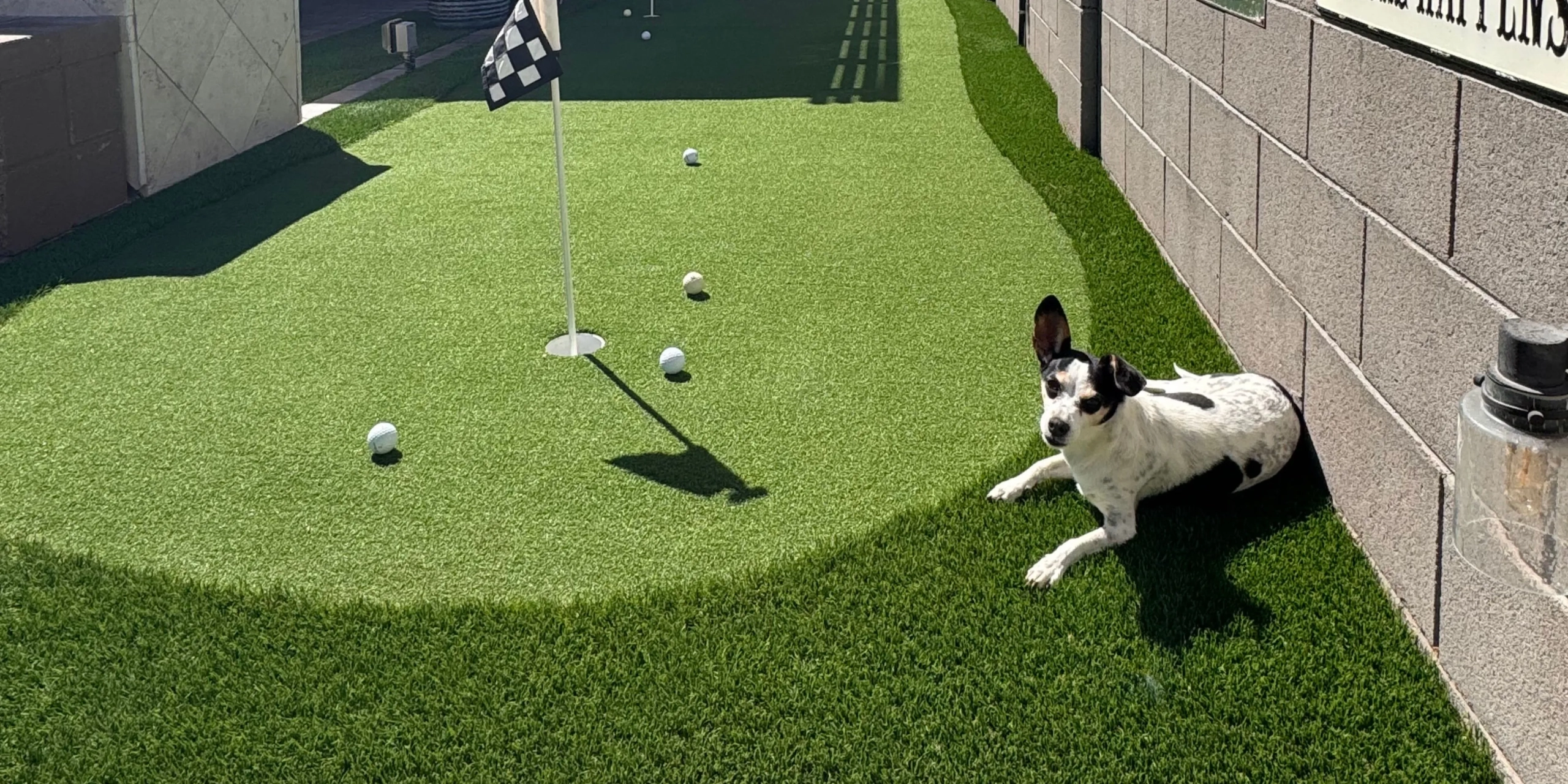
This is an area where product selection genuinely matters. Not all turf handles pet use well, and the difference shows up fast once dogs are spending time on it regularly.
Pet-friendly artificial grass built for real-world use includes-
- Antimicrobial infill that actively neutralizes odor from pet waste- not just masks it temporarily
- Perforated backing so liquids drain through quickly rather than pooling on the surface
- Non-toxic, lead-free certification- important for both animals and children who use the space
- Shorter pile height that’s genuinely easier to rinse and maintain between cleanings
Day-to-day upkeep is straightforward. A rinse handles most routine maintenance. For anything deeper, enzyme-based cleaners designed specifically for synthetic turf work without breaking down the fibers.
But here’s something worth noting: pet-friendly artificial grass removes a whole category of lawn hazards from the equation. No pesticides, no fertilizers sitting on the surface, no flea and tick habitat. For households with dogs, that’s a real benefit that goes beyond just convenience.
Final Words
If done right, artificial turf installation holds up for decades, cuts ongoing maintenance costs substantially, and keeps a property looking sharp regardless of season or weather conditions. The investment makes sense for backyards, commercial spaces, and pet-friendly properties alike- as long as the installation is handled properly from the start.
Synthetic Grass Masters promises professional installations that are made to endure, backed by the products and workmanship. Contact us today to make an on-site appointment and determine what the ideal turf solution is for the property.
FAQs about Artificial Turf Installation
Is artificial grass safe for pets and dogs?
Yes. Pet-grade turf uses non-toxic, lead-free materials paired with antimicrobial infill and perforated backing that drains quickly and keeps odors under control.
How long does commercial artificial grass last?
Quality commercial turf typically performs well for 15 to 25 years, depending on usage intensity, maintenance routine, and how well the original installation was executed.
How long does artificial turf installation take?
Residential installs usually wrap up in one to two days. Commercial projects run longer- anywhere from several days to a few weeks, depending on site size and complexity.
Is artificial turf installation worth the upfront cost?
For most properties, yes. Water and maintenance savings typically recover the installation cost within three to five years, with continued savings well beyond that.
Can artificial grass be installed over concrete?
It can- using adhesive bonding directly to the concrete surface, provided drainage is properly accounted for during planning.


 602-384-7746
